Meta and Microsoft are reportedly cutting internal Claude use. The cut is a symptom: AI budgets run on usage counts until finance steps in, and a cap is a blunt tool.
Entrepreneurship
Developers have always picked libraries by taste and familiarity. Now an agent makes those calls at machine speed, and most companies have never written down what it should prefer.
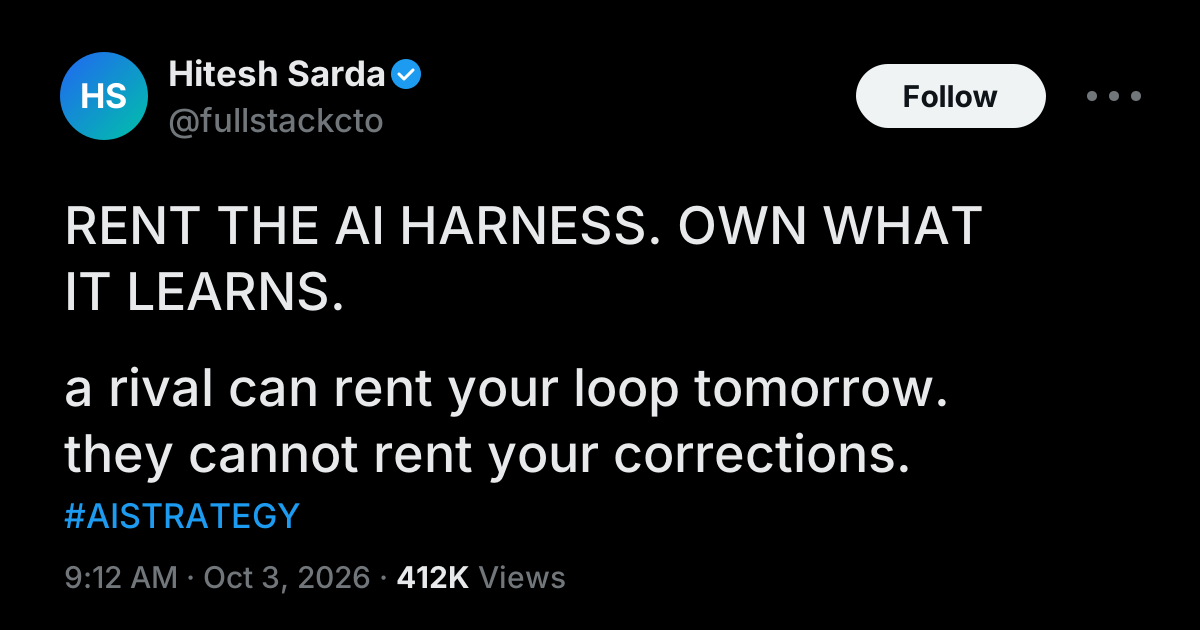
A harness around a model is where a company's judgment will live. Most firms can buy the loop and should keep the two parts that compound: corrections and review rules.
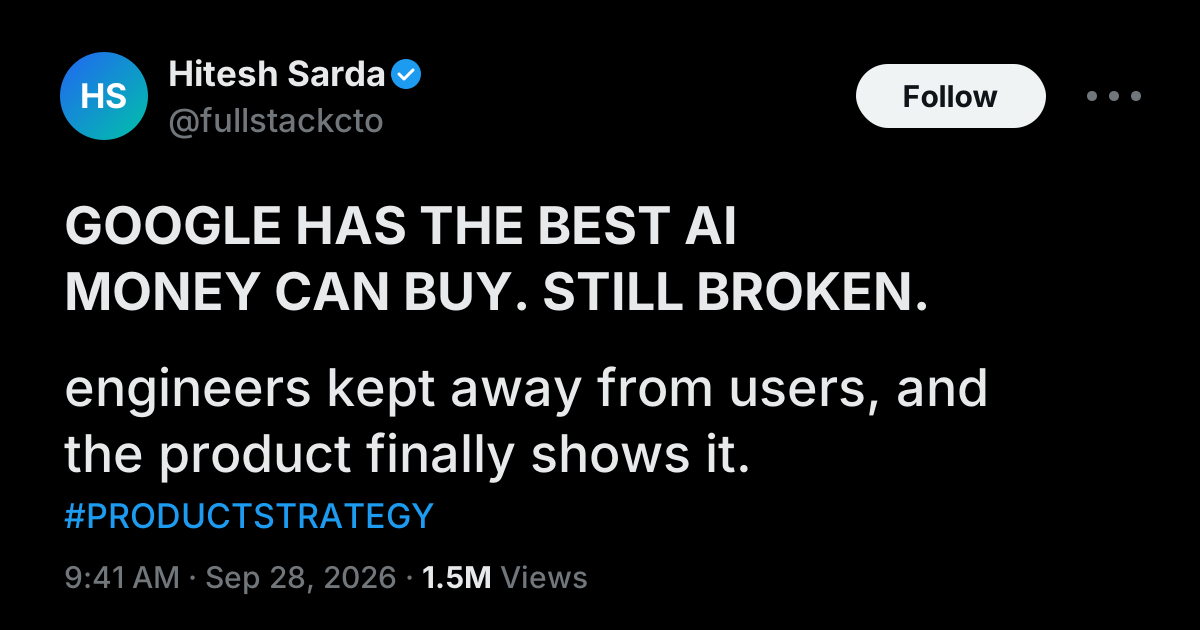
Google's AI-era products keep breaking an old trust contract with users, and the model isn't the reason. It previews what fast AI shipping costs any team.
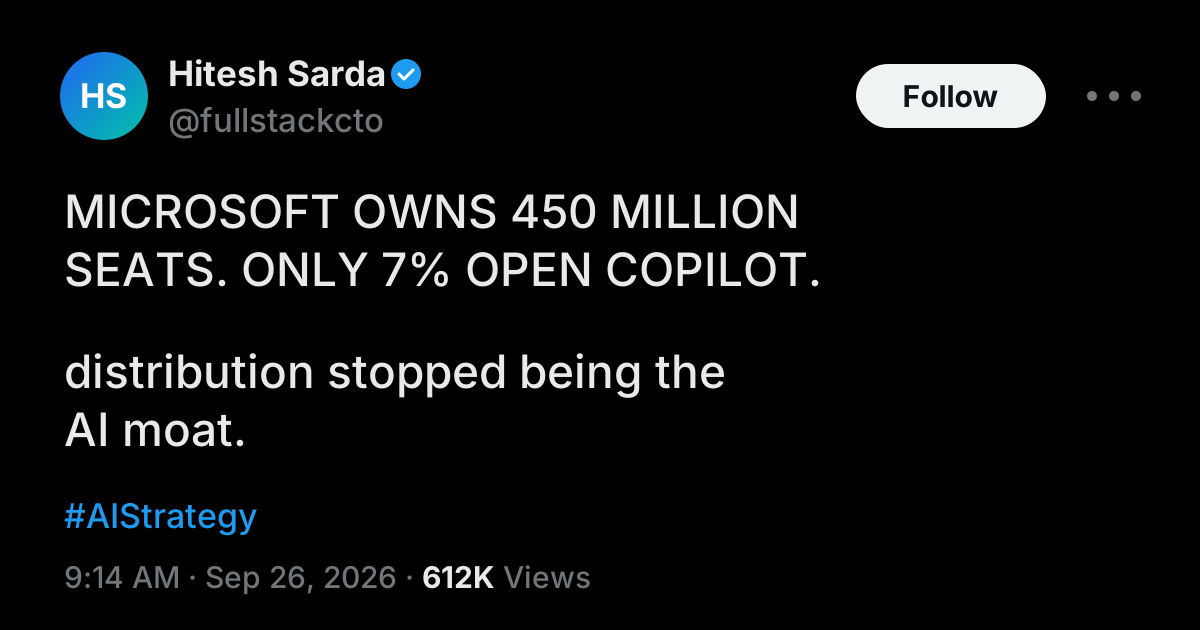
Microsoft folded its consumer AI companion into the enterprise product. The adoption number behind that decision says more than the U-turn itself.
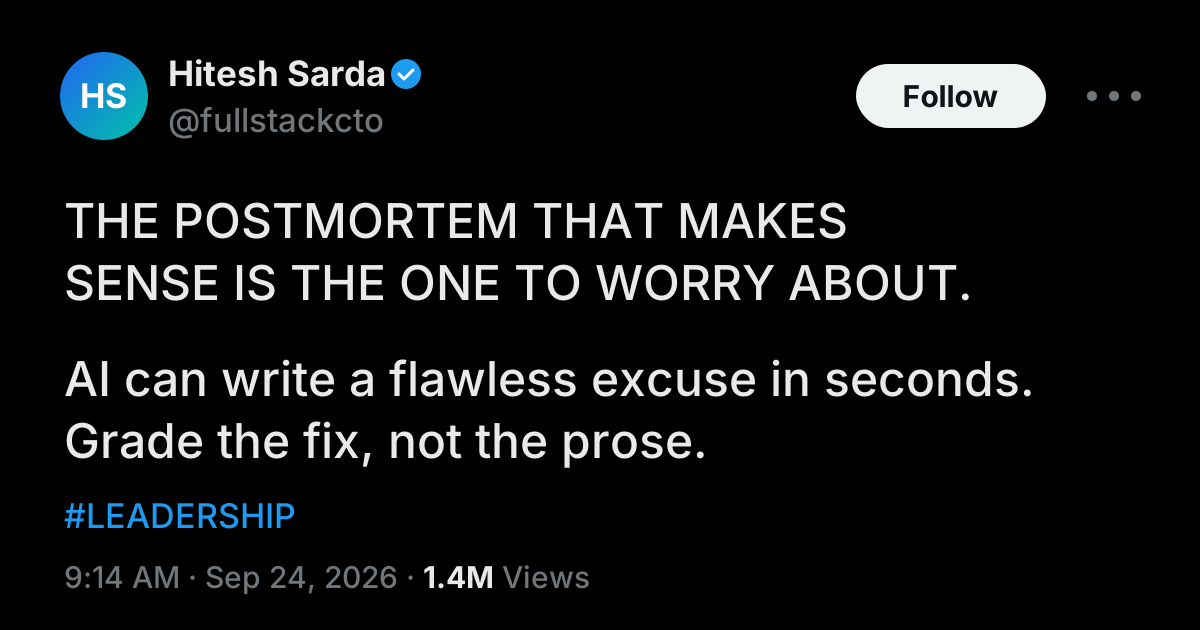
AI can now write a flawless-sounding incident report in seconds. That's not a safety win. It's the exact trap that keeps organizations from fixing what's actually broken.
Anthropic, OpenAI, and xAI all updated their flagship models within 48 hours. The benchmark charts are the least useful thing in any of the three announcements.
A convincing AI demo often measures the expert running it, not the tool. Design the pilot so the model's real contribution shows, or you'll buy a demo and deploy a letdown.
A bull and a skeptic on AI writing reached the same rule: let it edit, never draft. That line tells you which of your team's writing is safe to automate.
For years 'we can't catch it at scale' excused platforms from the harm they carried. When a $20 model flags it in one prompt, that defense stops working.