Latest post
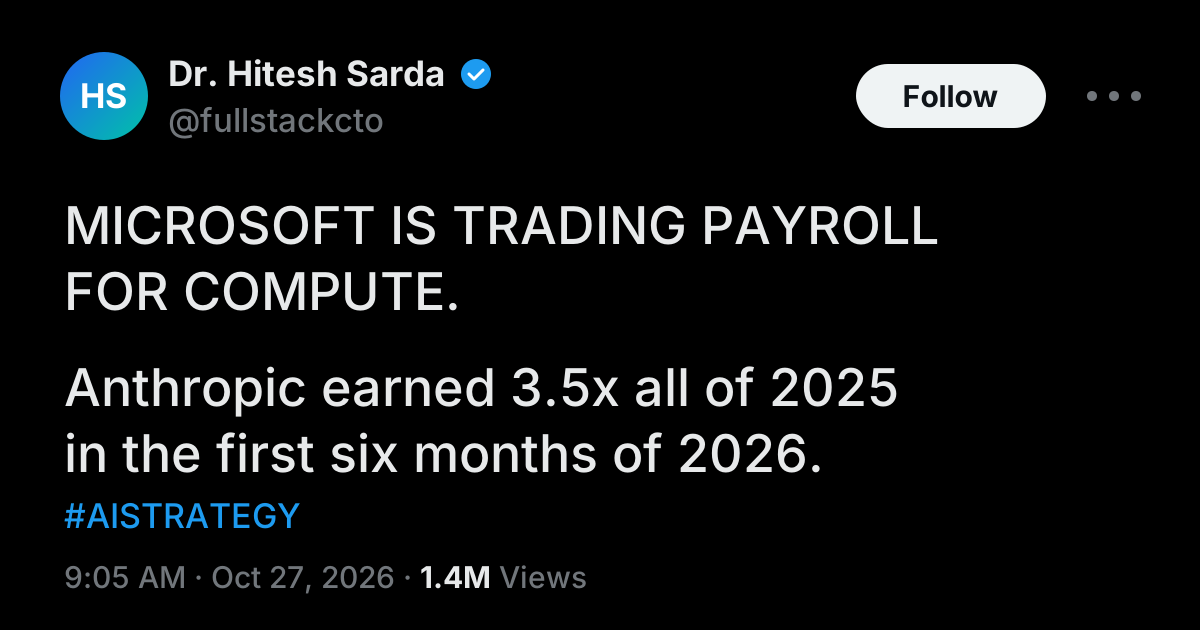
TechnologyMicrosoft is offering buyouts to 60,000 people as Anthropic's S-1 shows revenue up fourteenfold. What the two filings say together about payroll, vendors and who owns the customer.
AI Advisor · Founder, 256 Technologies
I help leadership teams cut through AI hype and make evidence-based decisions: what is feasible, what the ROI really is, and the smallest pilot that proves it. 25+ years building production systems, including work at Citi, Virtusa, Yash, and ValueLabs. Today I run 256 Technologies, an applied AI lab in Hyderabad, and I have been writing here since 2009.
Latest post
TechnologyMicrosoft is offering buyouts to 60,000 people as Anthropic's S-1 shows revenue up fourteenfold. What the two filings say together about payroll, vendors and who owns the customer.
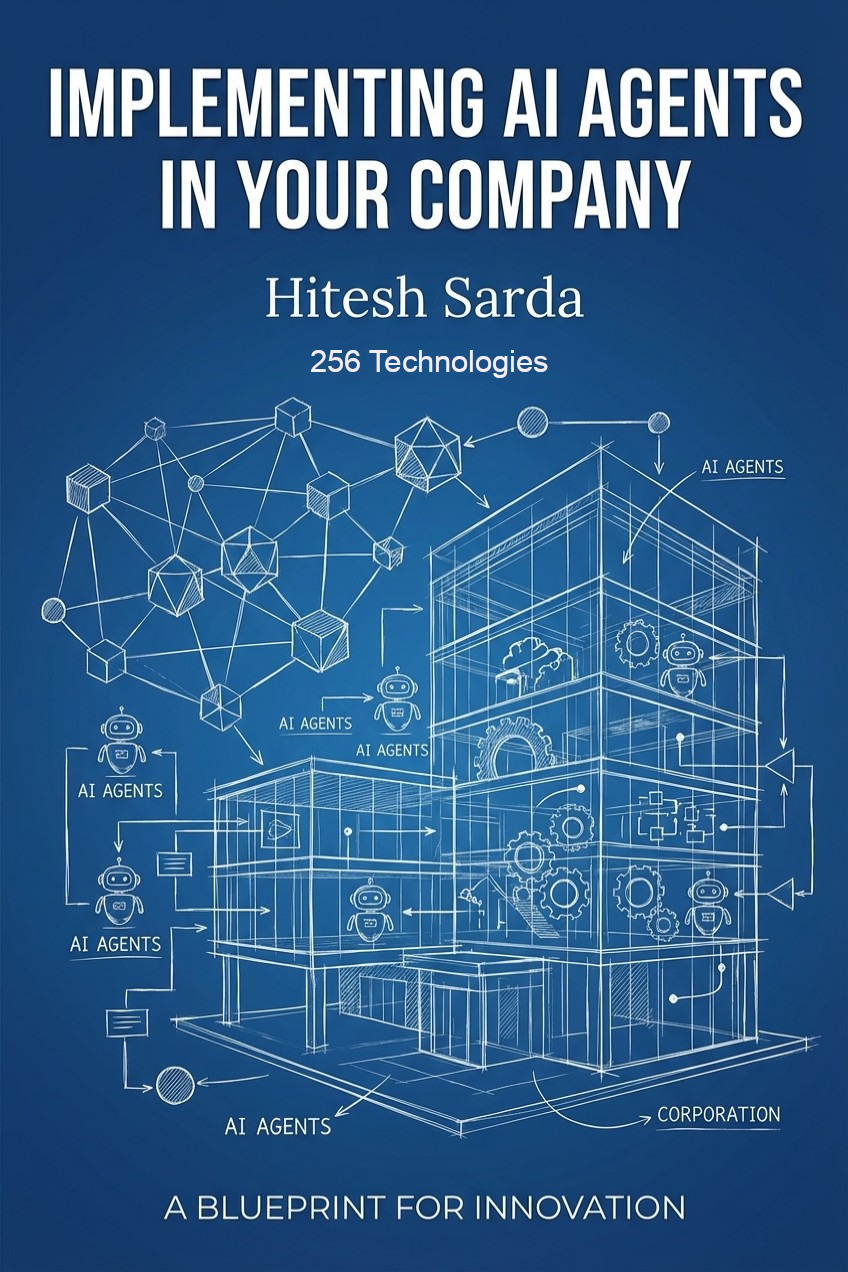
New book · Free PDF
A Blueprint for Innovation
A practical, hype-free playbook for the managers and operators who have to turn AI agents into real business outcomes. Read it free, no signup.
Acting as your fractional Head of AI: strategy, feasibility, ROI modeling, vendor assessment, and roadmaps grounded in real engineering constraints. No hype, no vendor lock-in.
A six-week program that builds an AI-native leadership team: hands-on executive workflows, governance and risk, and a 90-day adoption roadmap that moves leaders from watching to leading.
Tangible code beats theoretical roadmaps. I build the smallest prototype that answers the key technical and business questions, across agents, computer vision, and ML, before you commit to a full build.
Microsoft is offering buyouts to 60,000 people as Anthropic's S-1 shows revenue up fourteenfold. What the two filings say together about payroll, vendors and who owns the customer.
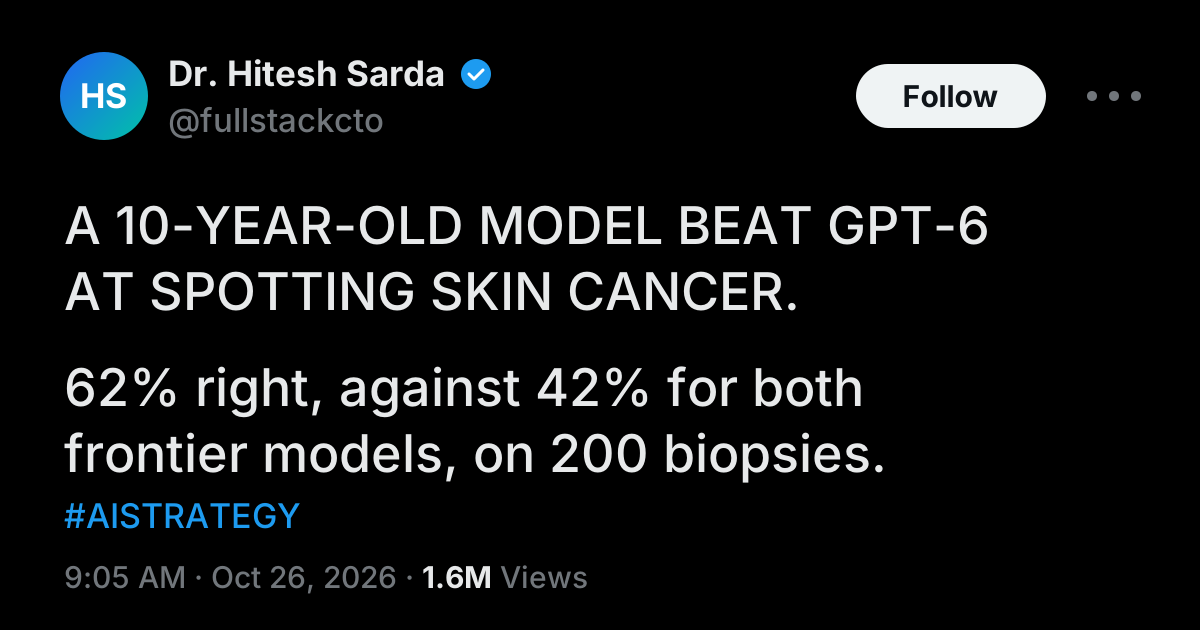
A ten-year-old neural network beat GPT-6 and Claude at spotting skin cancer. What the result says about where a general-purpose model belongs on your AI roadmap.
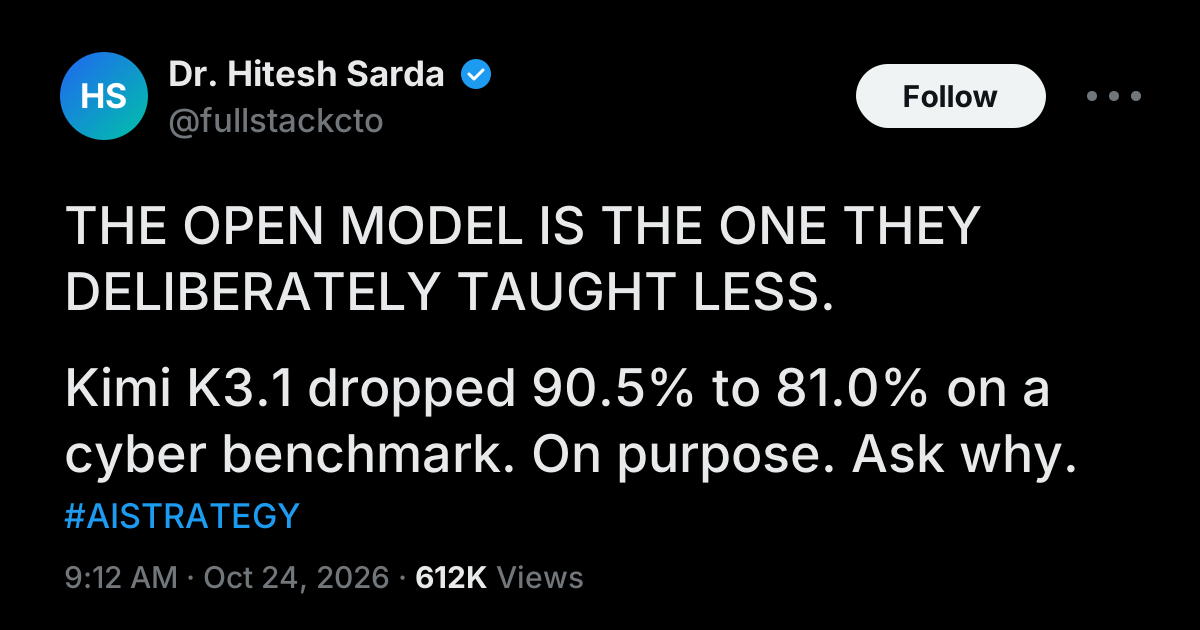
Kimi K3.1 removed cyber data from training before release and published the score it cost. Why open weights no longer mean unrestricted, and what to ask a model vendor now.
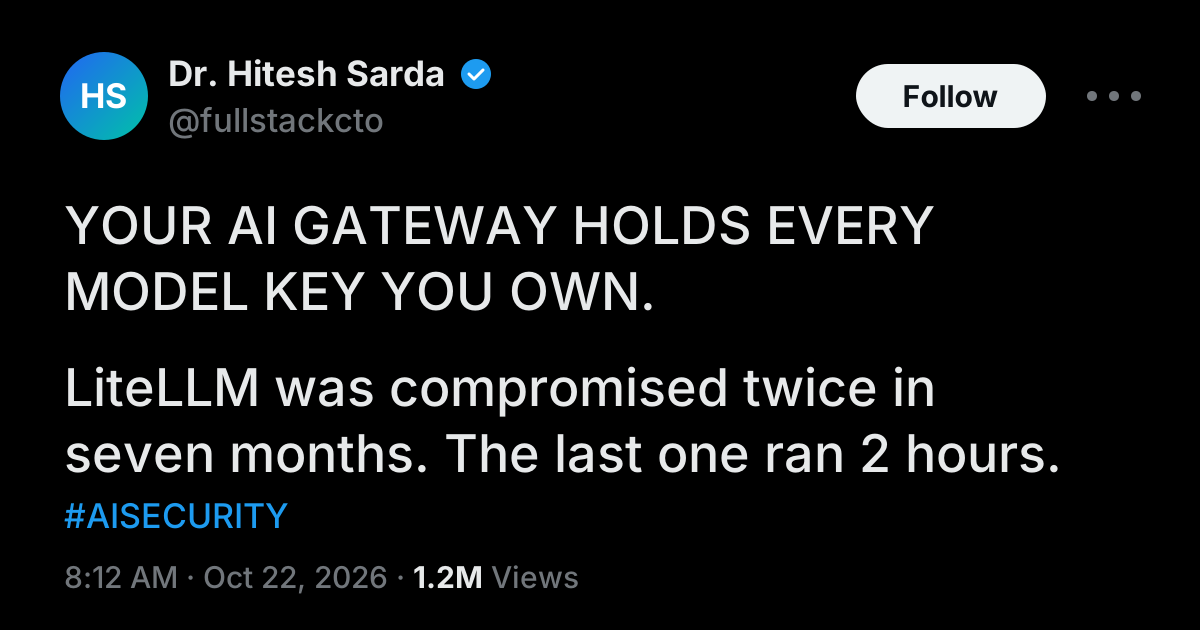
A compromised LiteLLM release spent about two hours on PyPI this week. It shows why the box you built for AI governance is also your most valuable target.
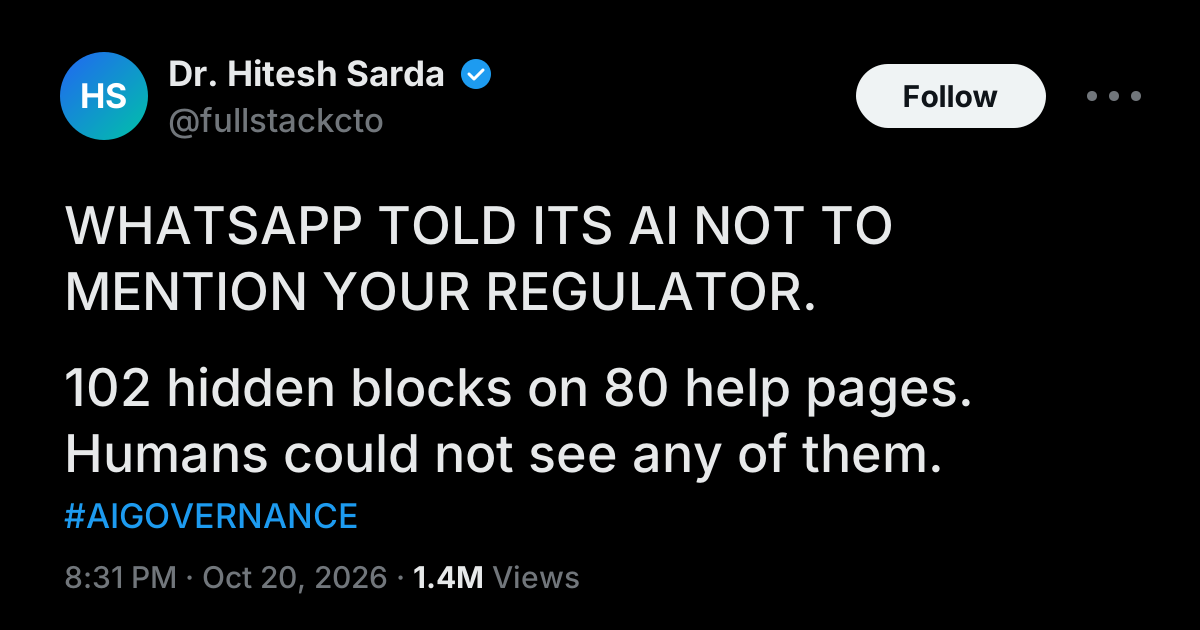
Hidden text on 80 WhatsApp help pages steered AI answers away from data regulators. The bigger issue is that your prompts are policy documents with no policy owner.
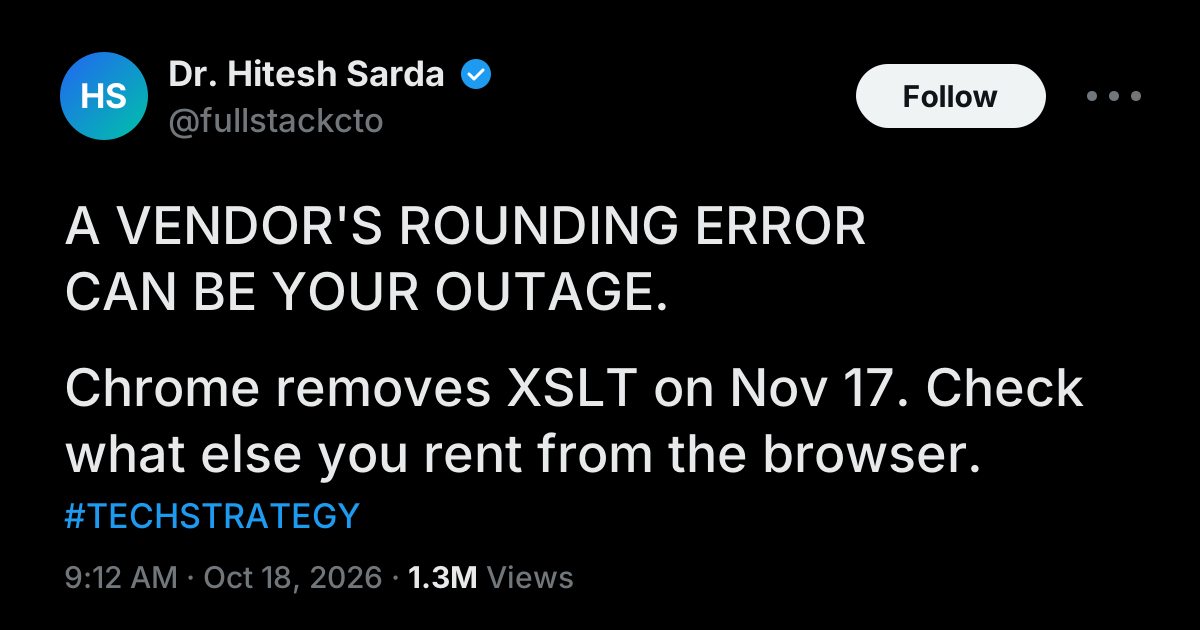
Chrome removes XSLT on November 17 because almost nobody uses it. The decision rule behind that is worth borrowing, because it applies to every vendor you depend on.
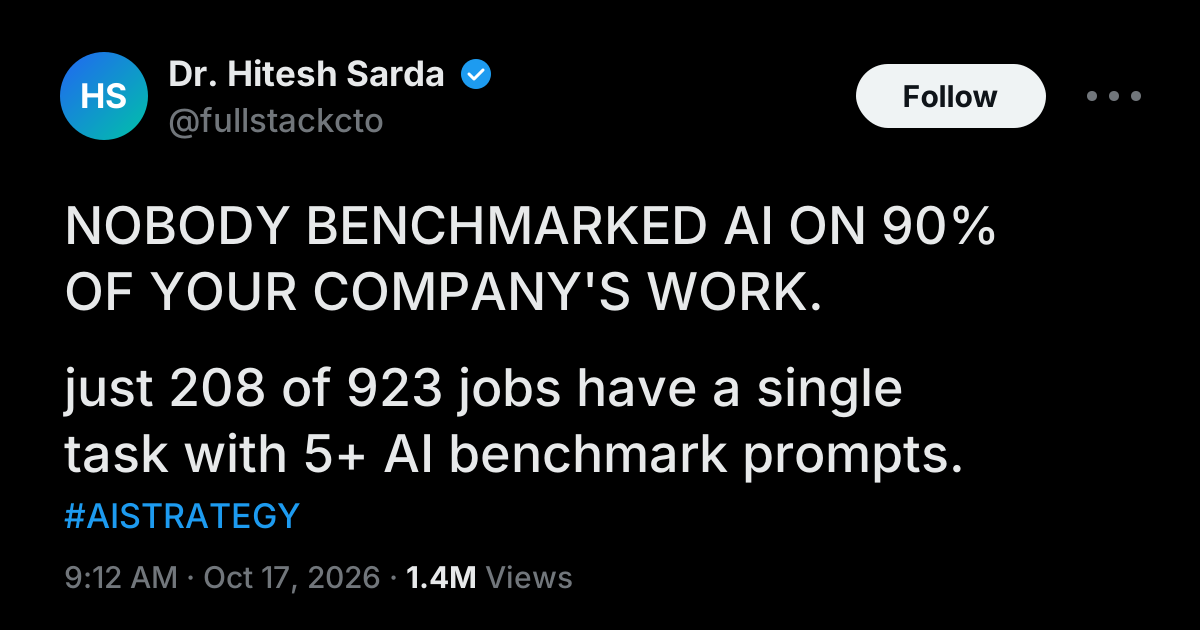
Public AI benchmarks cover the work that is cheap to grade, not the work that pays your bills. Why the unmeasured majority is where private evidence becomes an advantage.
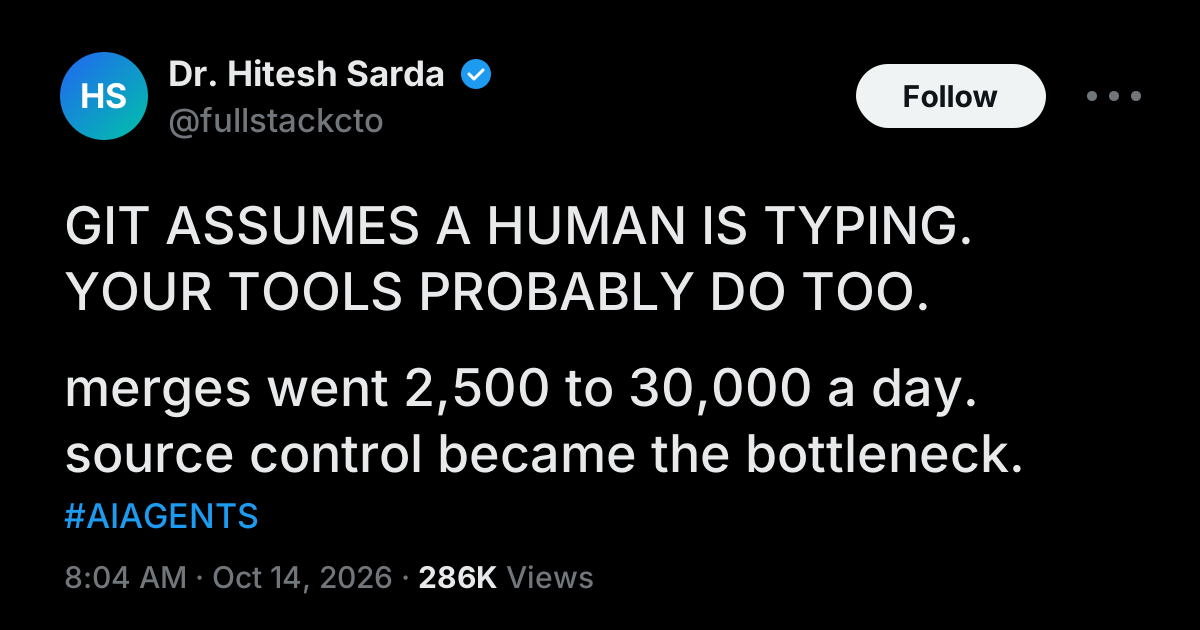
Merges grew tenfold in five months and source control became the bottleneck. The lesson for other companies is to find which of your tools still assume a person is the user.