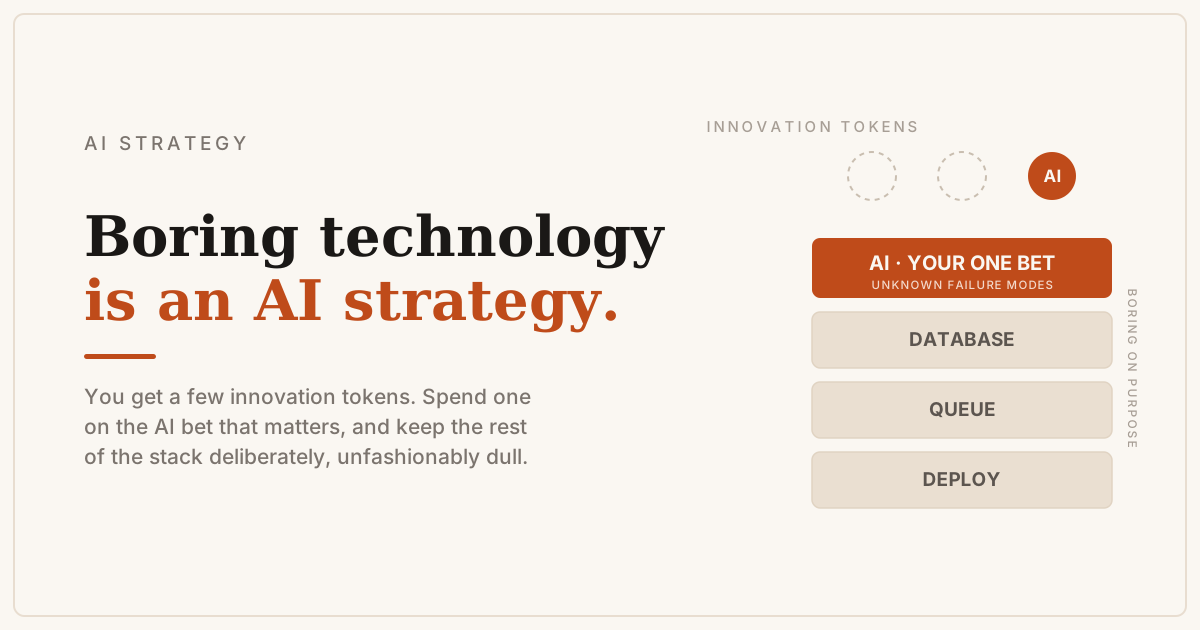
A decade-old rule for choosing dull, predictable tools turns out to be the sharpest discipline for deciding where AI belongs in your product, and where it does not.
Ai-Strategy
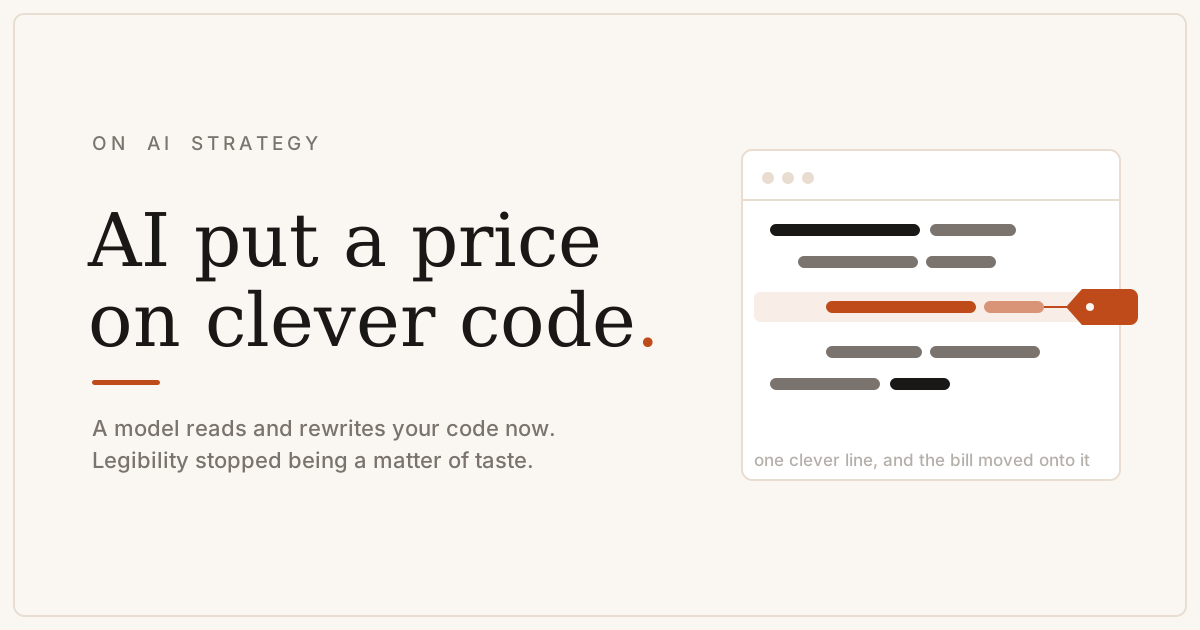
Google's case for Go is really a case against magic. When a model reads and rewrites your code, legibility stops being a matter of taste and starts showing up in the budget.
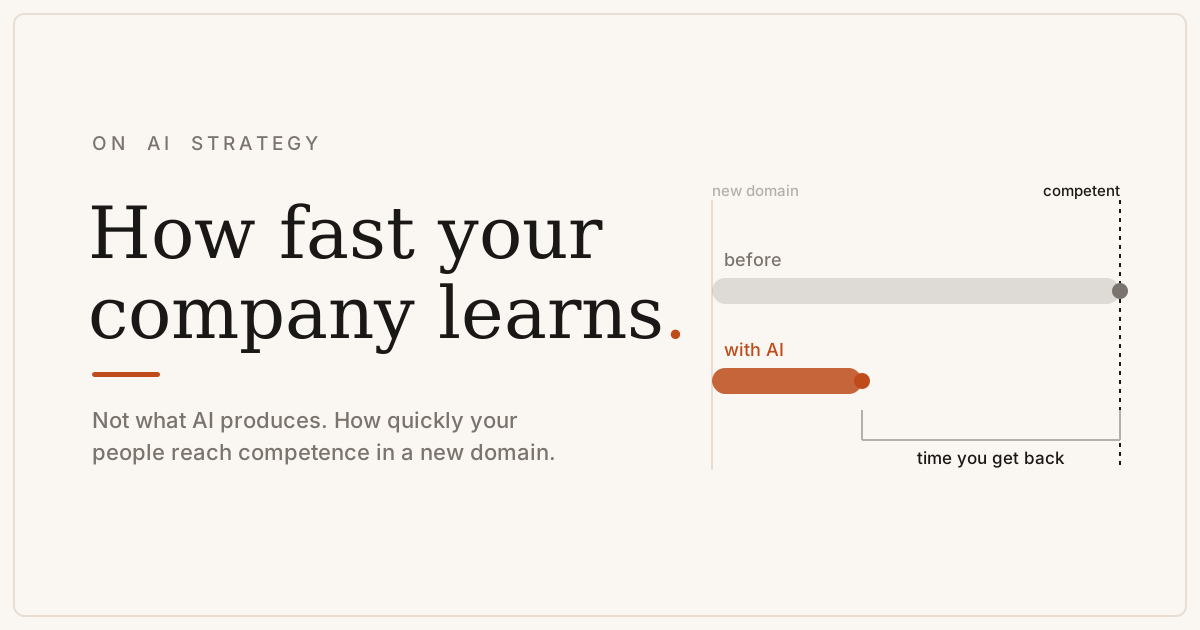
Most teams point AI at producing output. The larger gain is reaching real competence in a new domain faster, without mistaking borrowed answers for understanding.
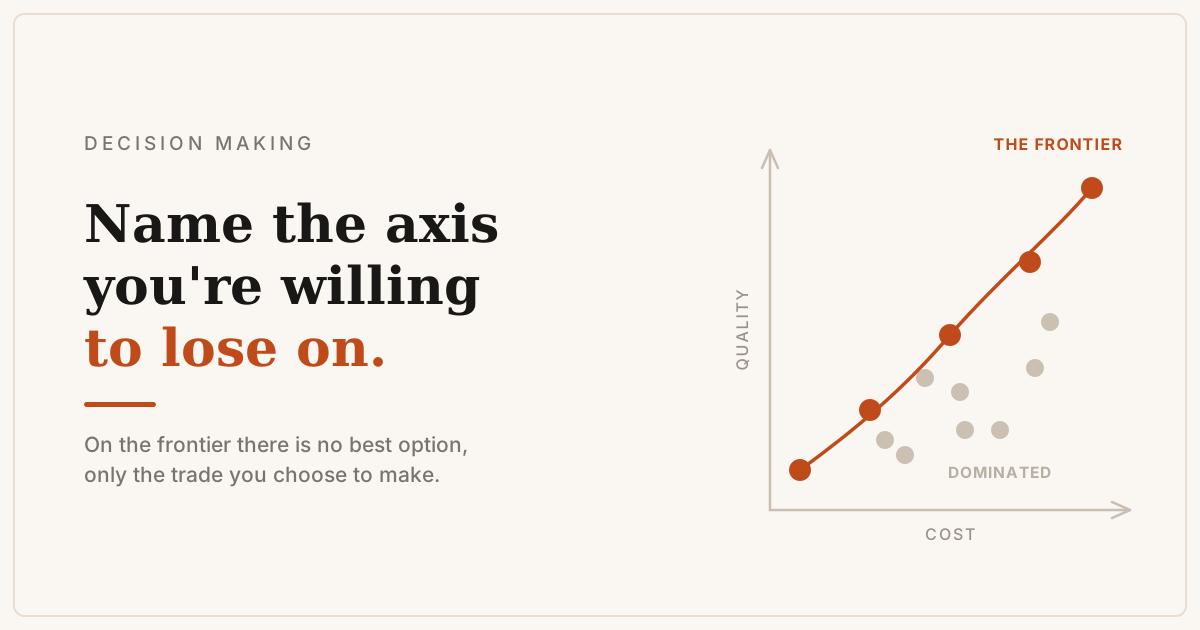
Every technology choice is a trade-off, yet most teams argue over options that lose on every axis. A century-old idea makes the real decision visible.
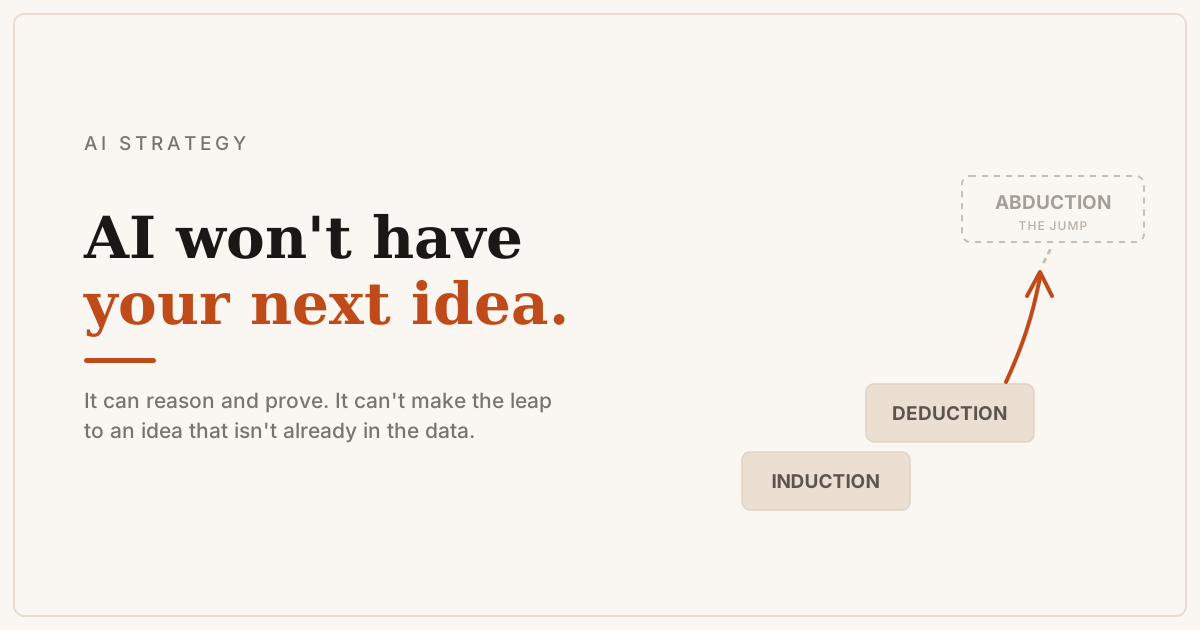
A DeepMind researcher argues LLMs can reason and prove but never originate. That boundary decides where AI multiplies your team and where it just recycles the past.
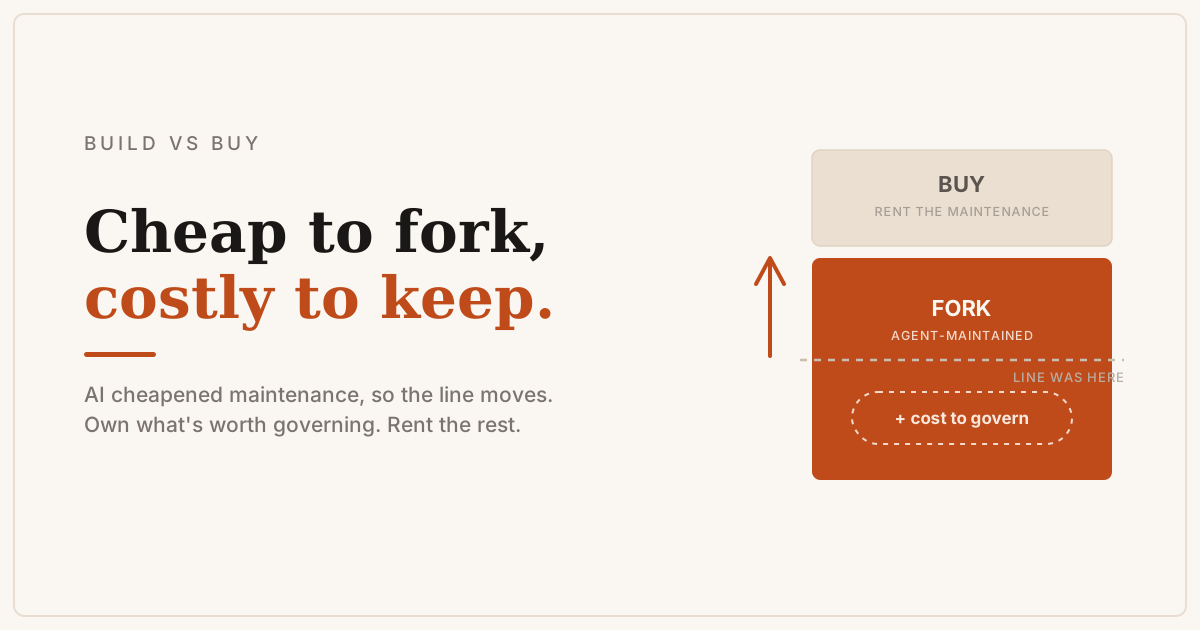
AI collapses the cost of maintaining software you didn't write, so part of the buy column becomes buildable. The catch is the forks you now have to govern.
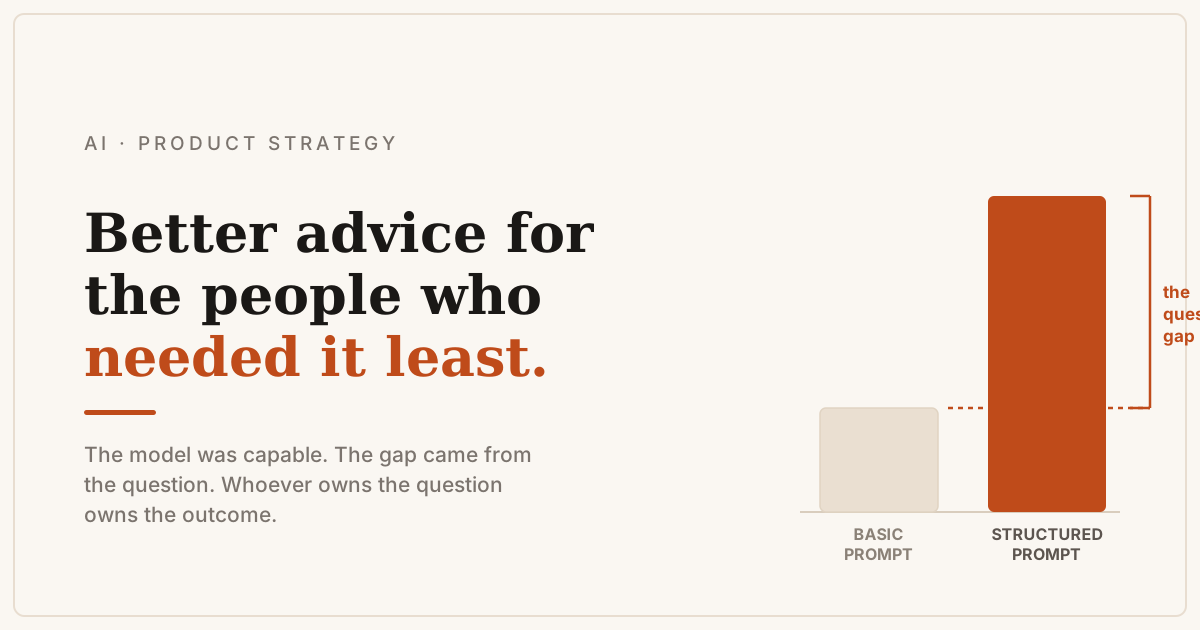
An MIT and Stanford study found AI gives sound financial advice, but the gains went to sophisticated users. Closing that gap is a product decision, not a literacy problem.
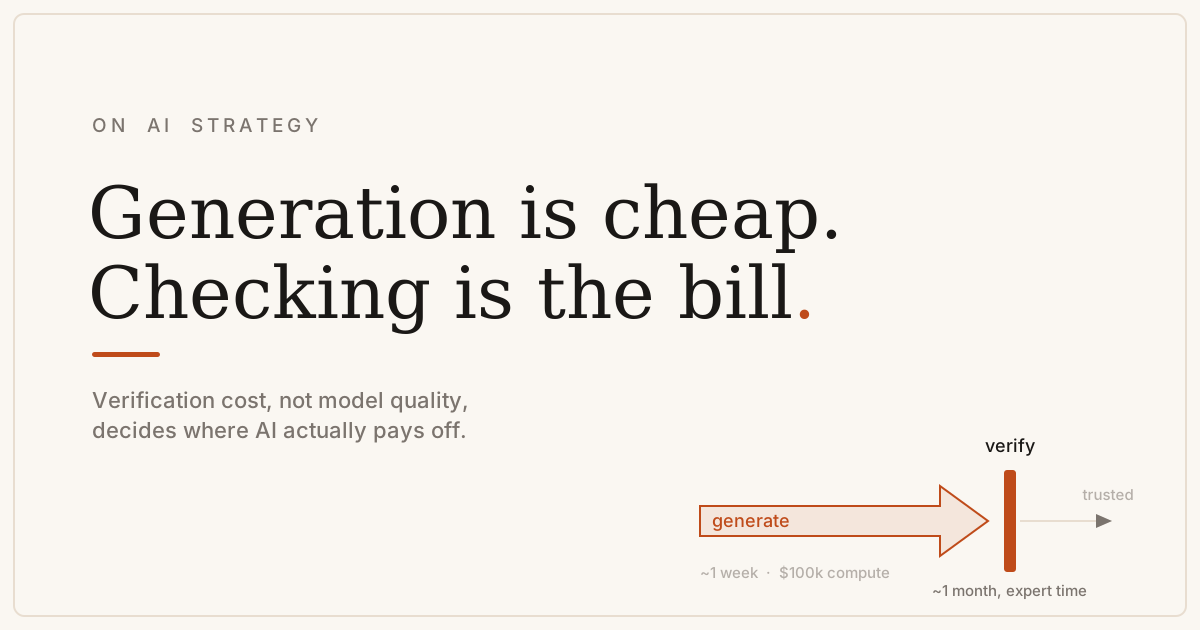
Claude found a novel cryptographic attack in about a week; human experts needed close to a month to trust it. That gap, not model quality, decides where AI pays off.
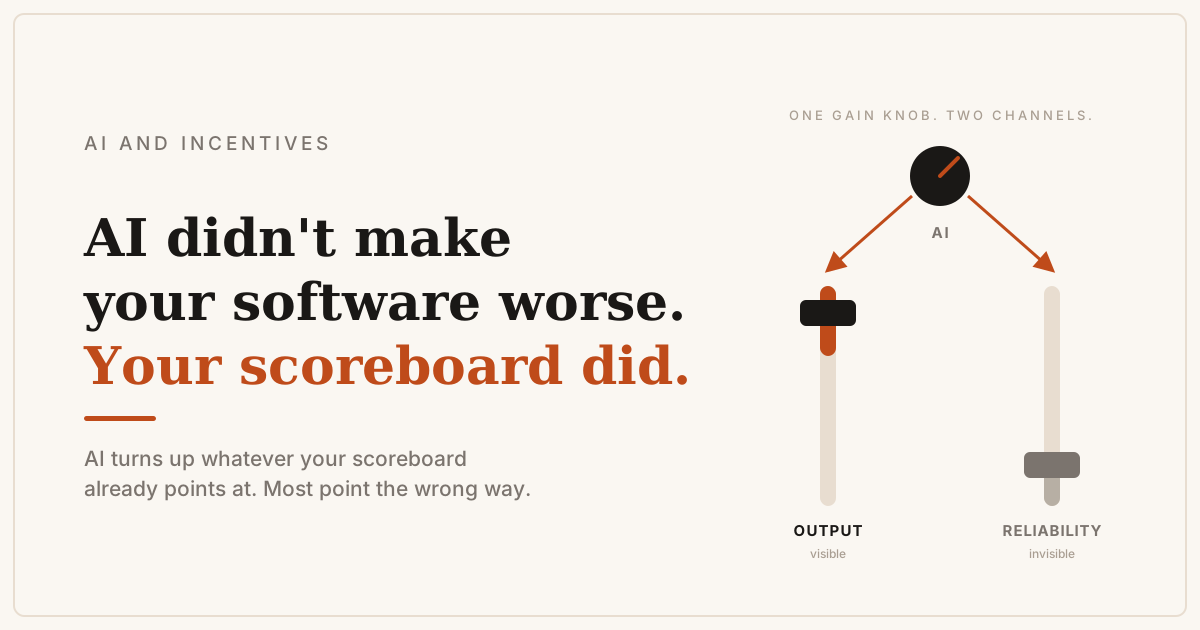
AI slashed the cost of shipping features but not the cost of reliability, so it amplifies whatever your organization already rewards. Most reward the wrong thing.
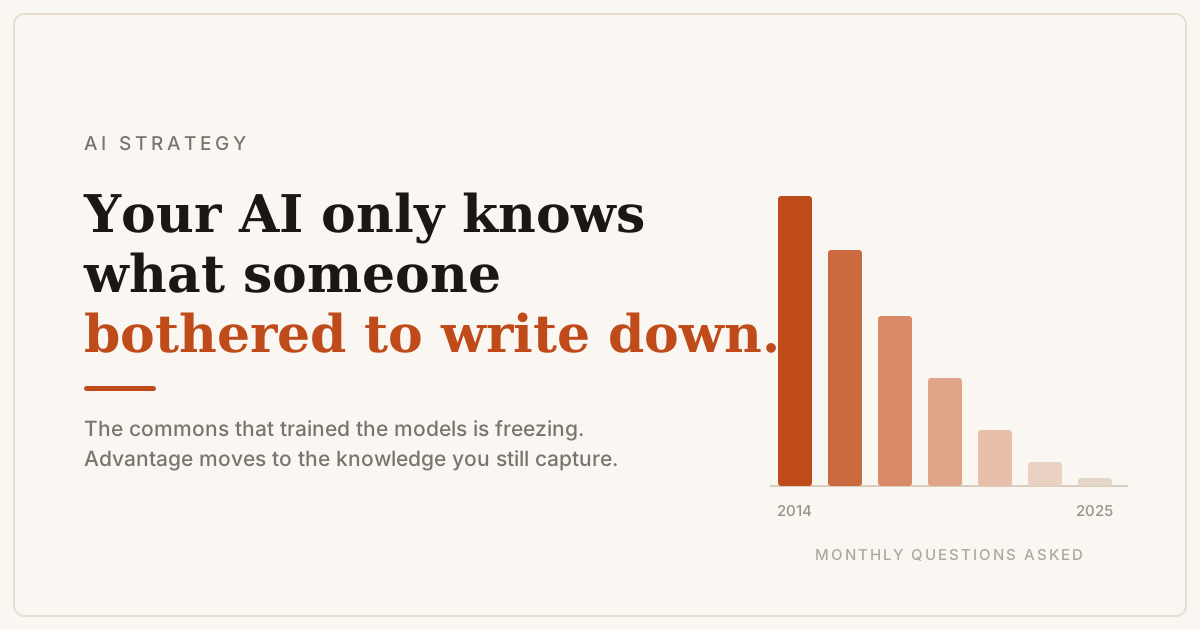
Stack Overflow's question volume fell 78% in a year. As the public corpus freezes, competitive advantage shifts to the knowledge your company still writes down itself.