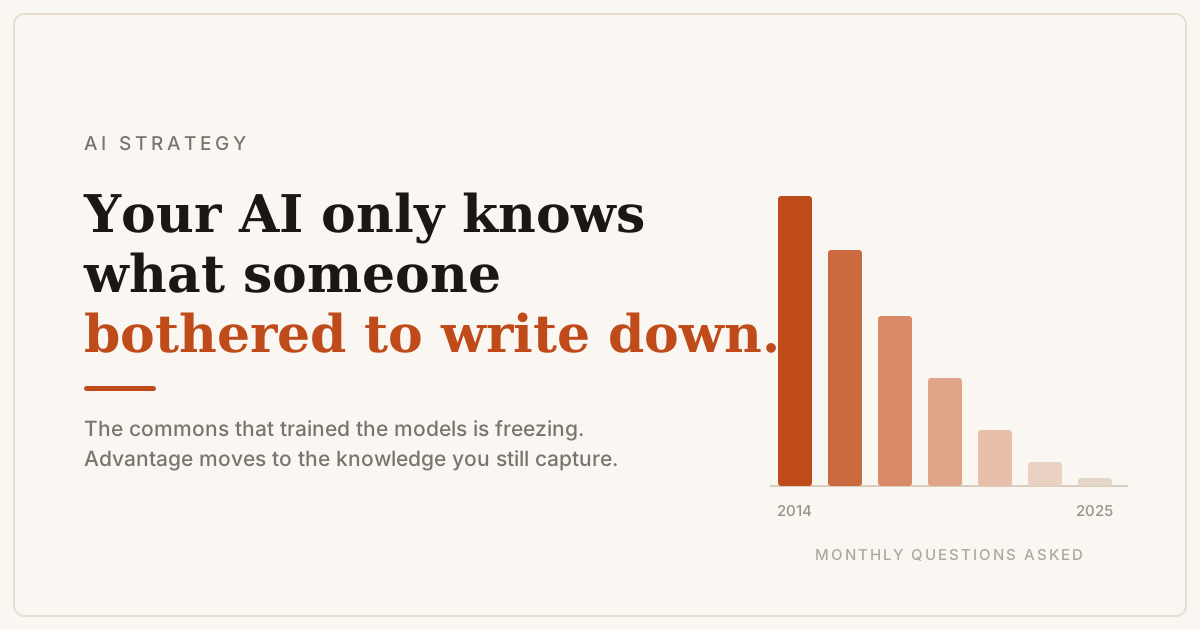
Stack Overflow's question volume fell 78% in a year. As the public corpus freezes, competitive advantage shifts to the knowledge your company still writes down itself.
Strategy
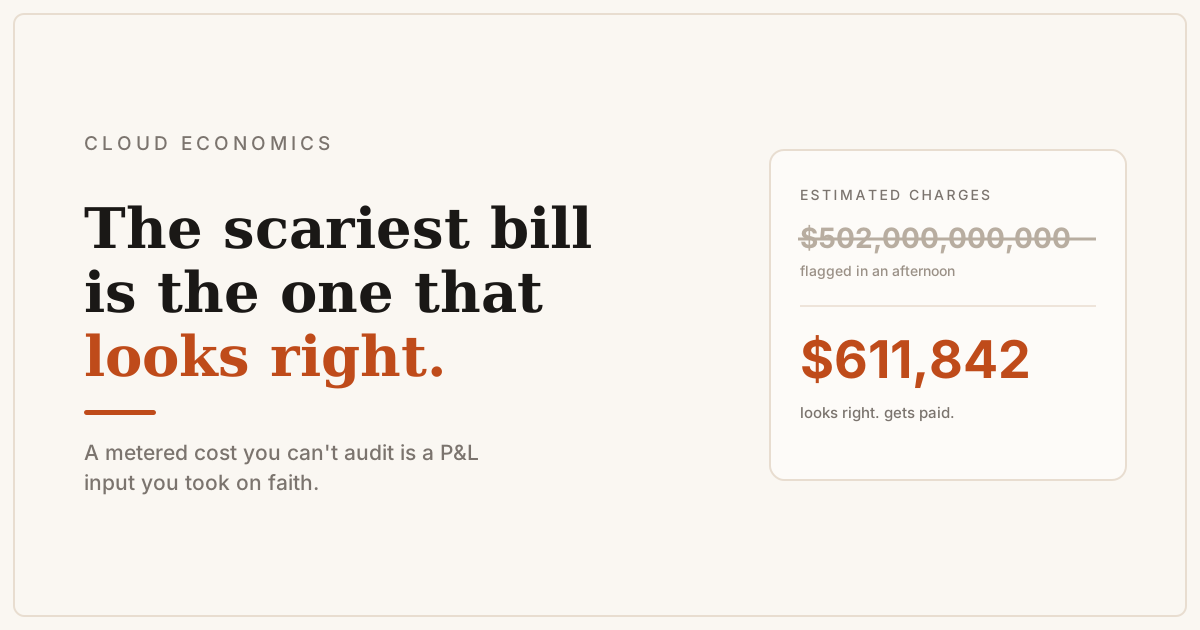
AWS just showed customers trillion-dollar bills. The real exposure is the small metering error you can't see, on a consumption cost you can neither audit nor cap.
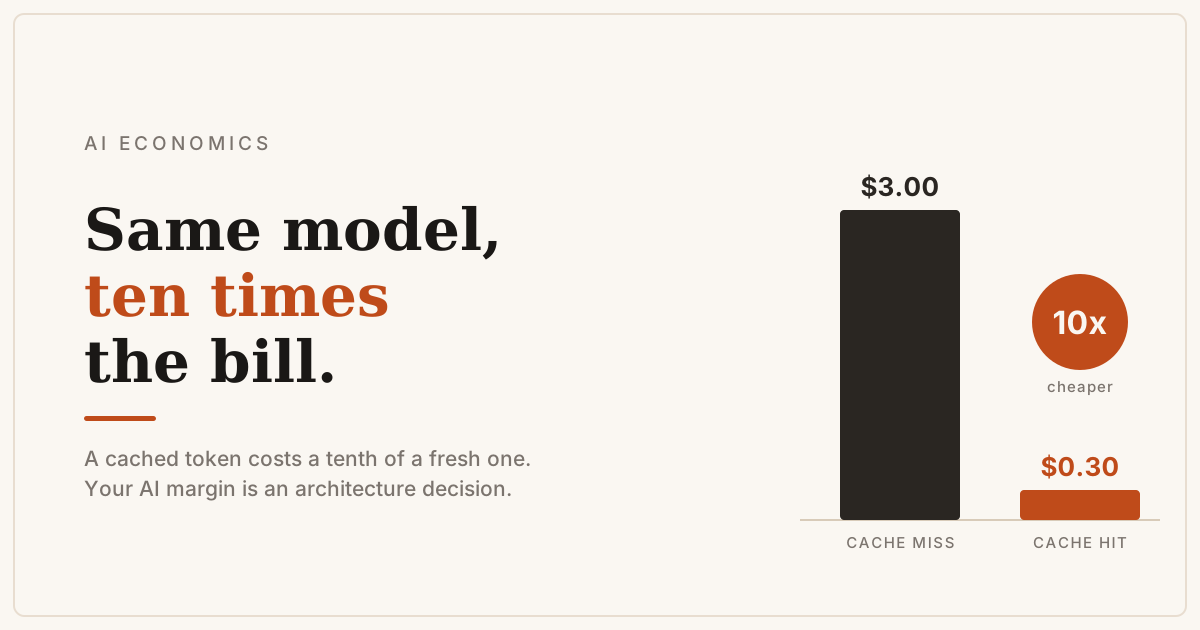
A cached token costs a tenth of a fresh one, and coding agents hit cache most of the time. Your AI cost curve is an engineering choice, and most teams make it by accident.
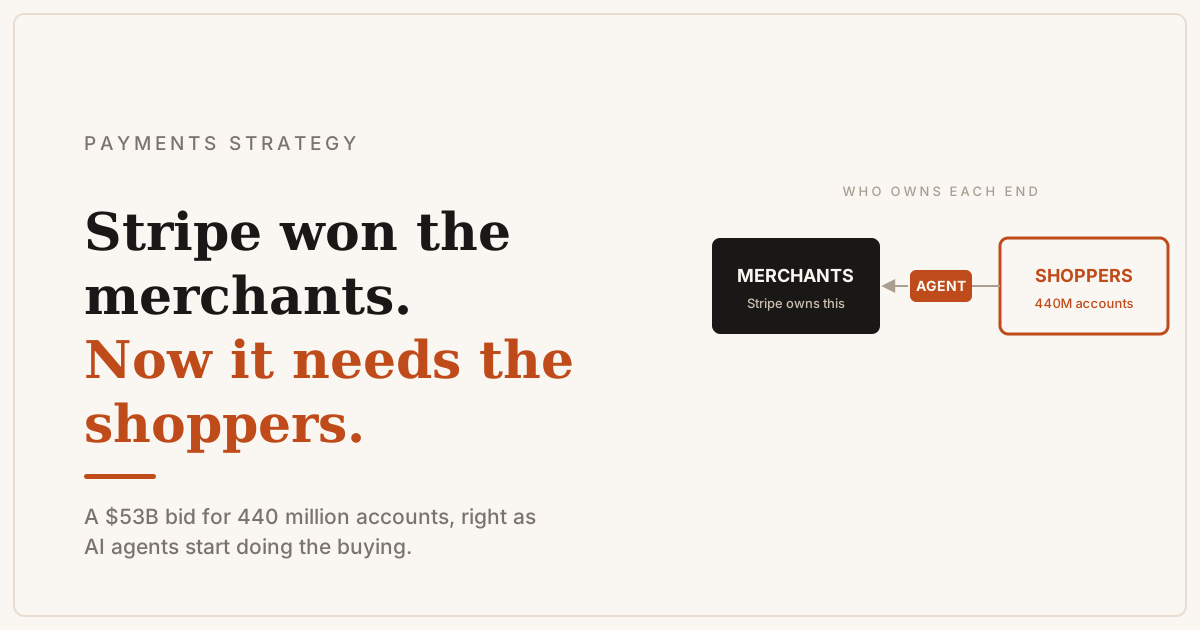
Stripe and Advent bid $53 billion for PayPal. The real target is 440 million consumer accounts, arriving just as AI agents begin doing the buying for people.
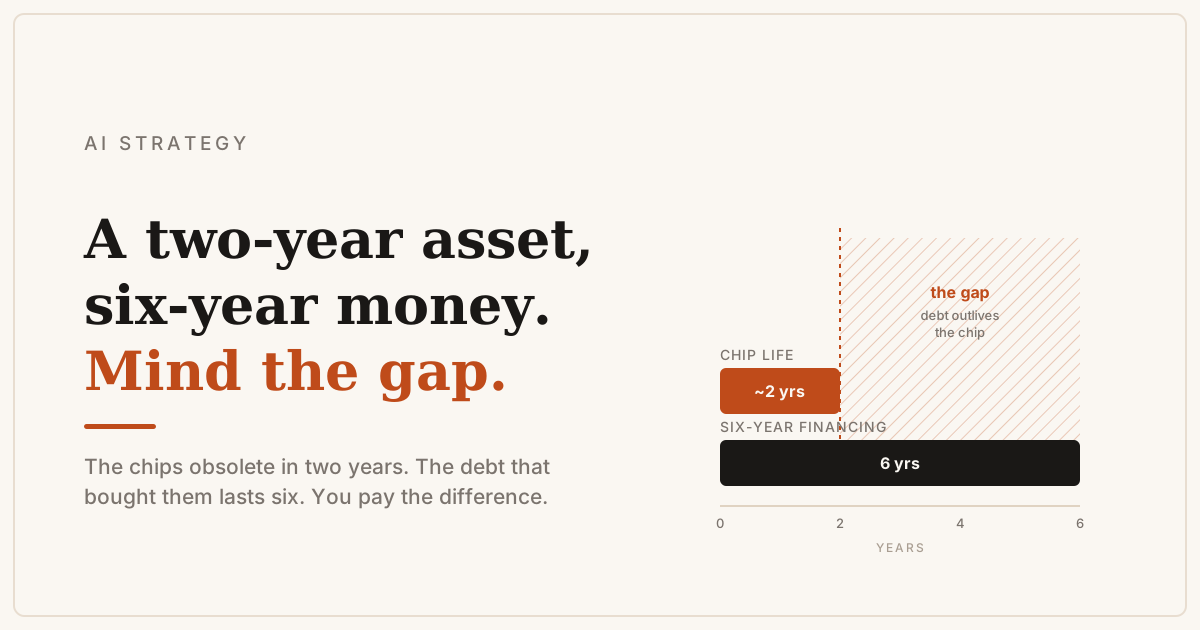
Hyperscalers finance AI chips over six years but the hardware is obsolete in two or three. That gap quietly sets the compute price every AI product is planning around.
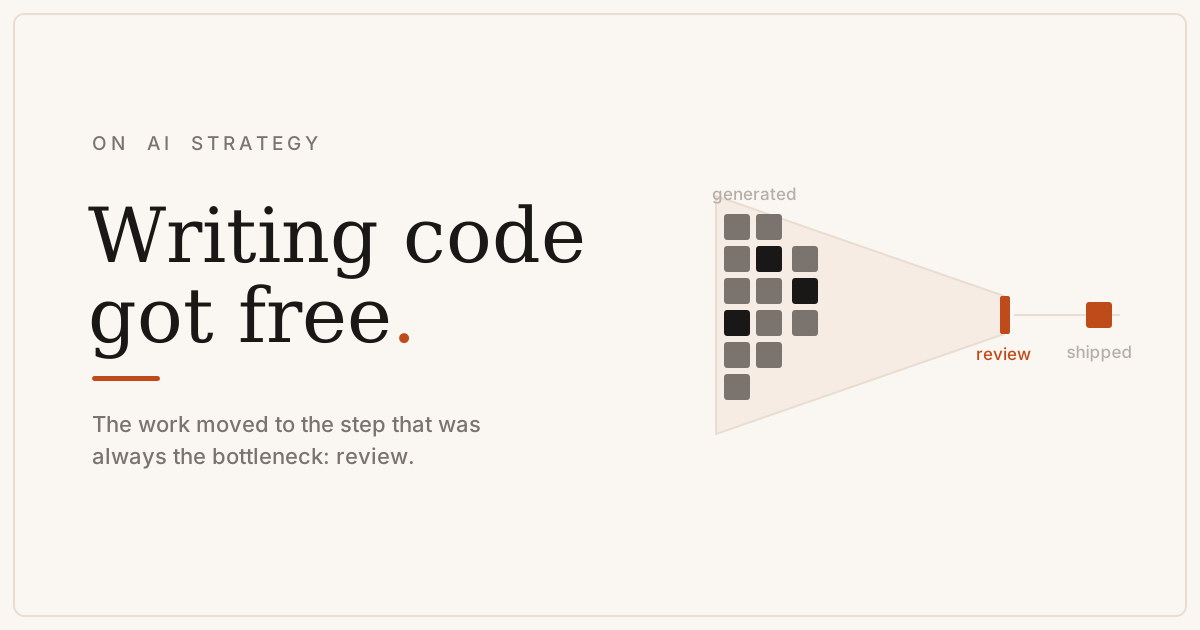
Microsoft's engineers merged 24% more pull requests with AI. The constraint didn't vanish; it moved to review, and most teams are still counting the wrong thing.
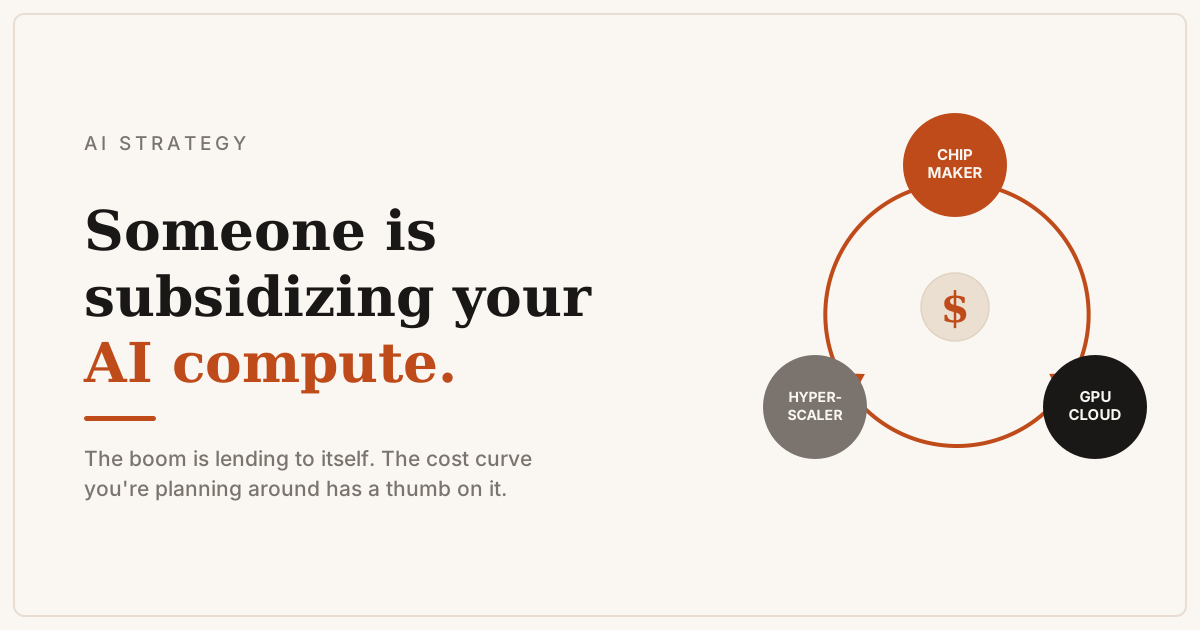
The AI infrastructure boom is partly lending to itself. That changes the cost curve you're planning around, and most companies building on it haven't noticed.
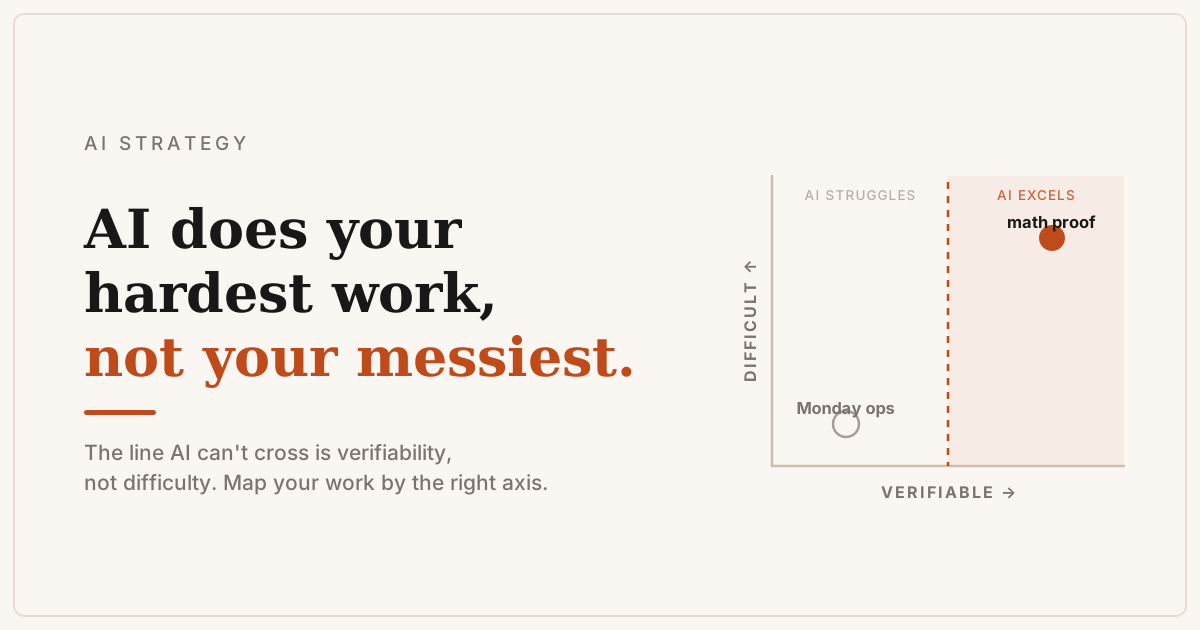
A frontier model just produced a novel math proof while similar tools still fumble routine operations. The dividing line is verifiability, not difficulty.
Public coding benchmarks have decoupled from real work. The teams getting value from AI build a small evaluation from their own merged pull requests instead.
Open-weight models now match frontier quality at a fifth of the cost. For anyone building on AI, that shifts where durable advantage has to come from.