Strategy
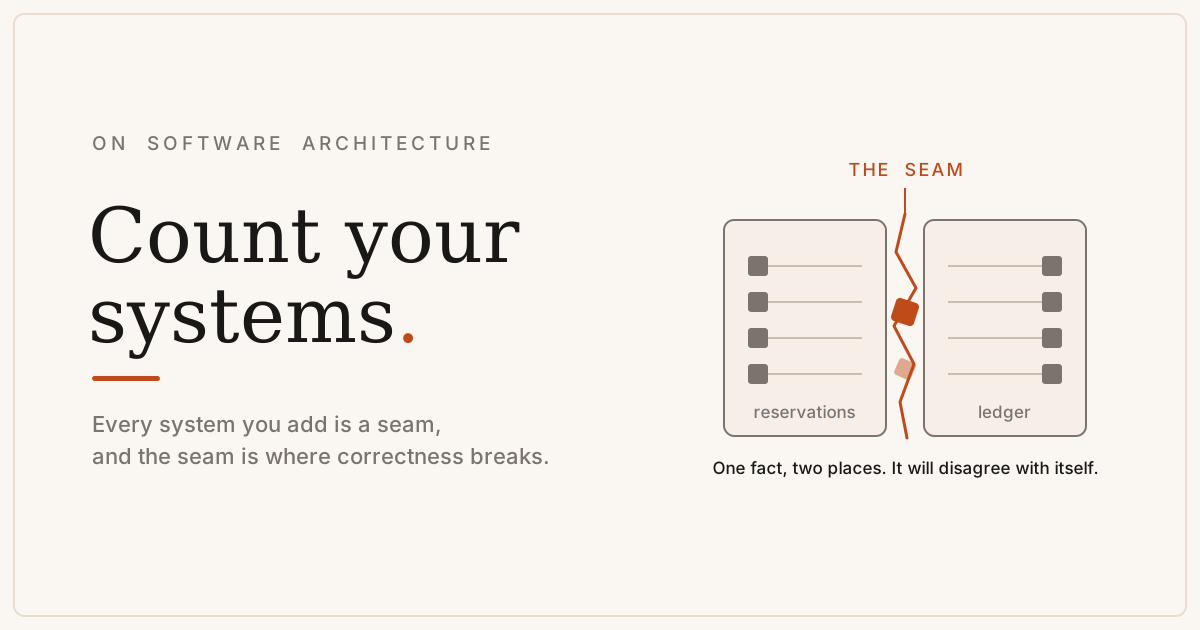
Every technology choice is a trade-off, yet most teams argue over options that lose on every axis. A century-old idea makes the real decision visible.
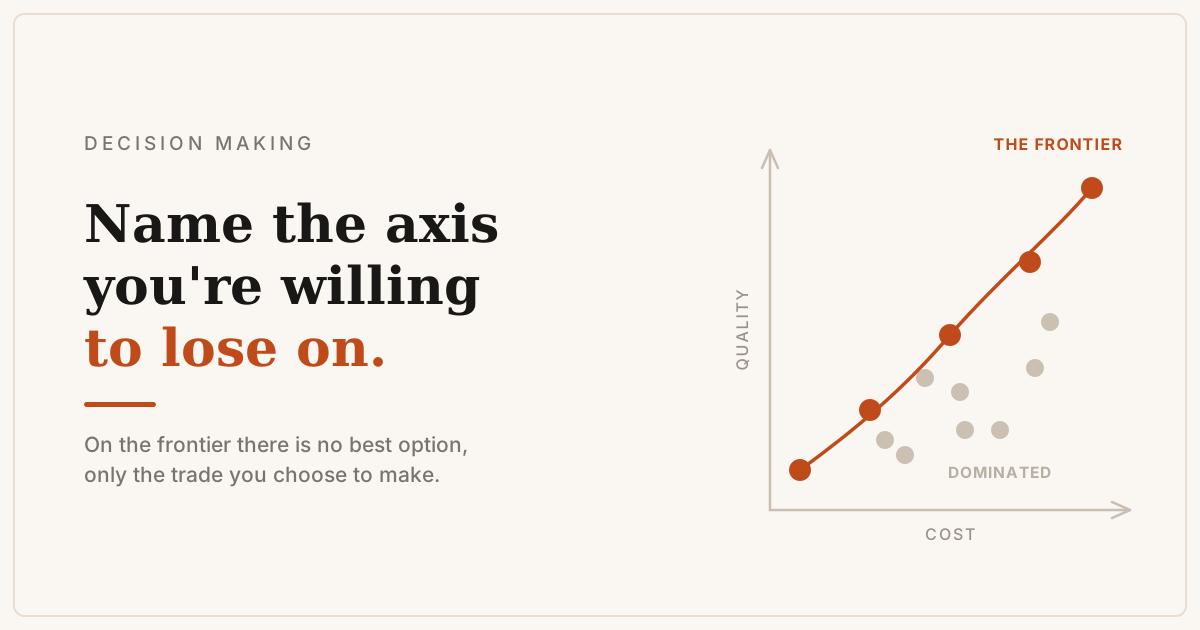
A DeepMind researcher argues LLMs can reason and prove but never originate. That boundary decides where AI multiplies your team and where it just recycles the past.
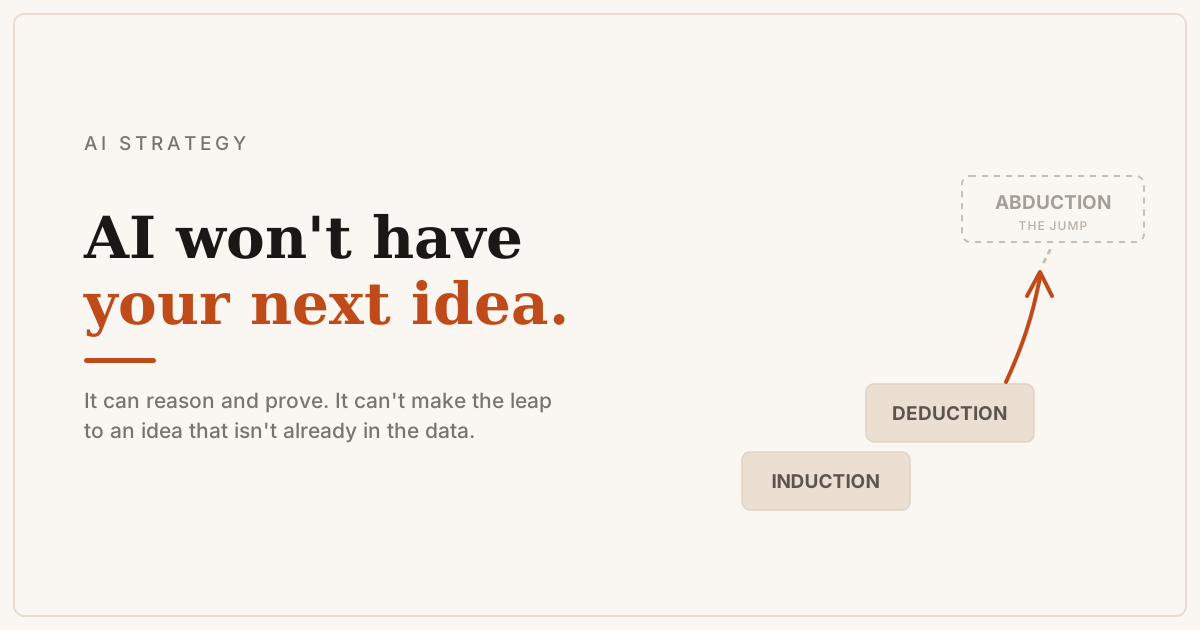
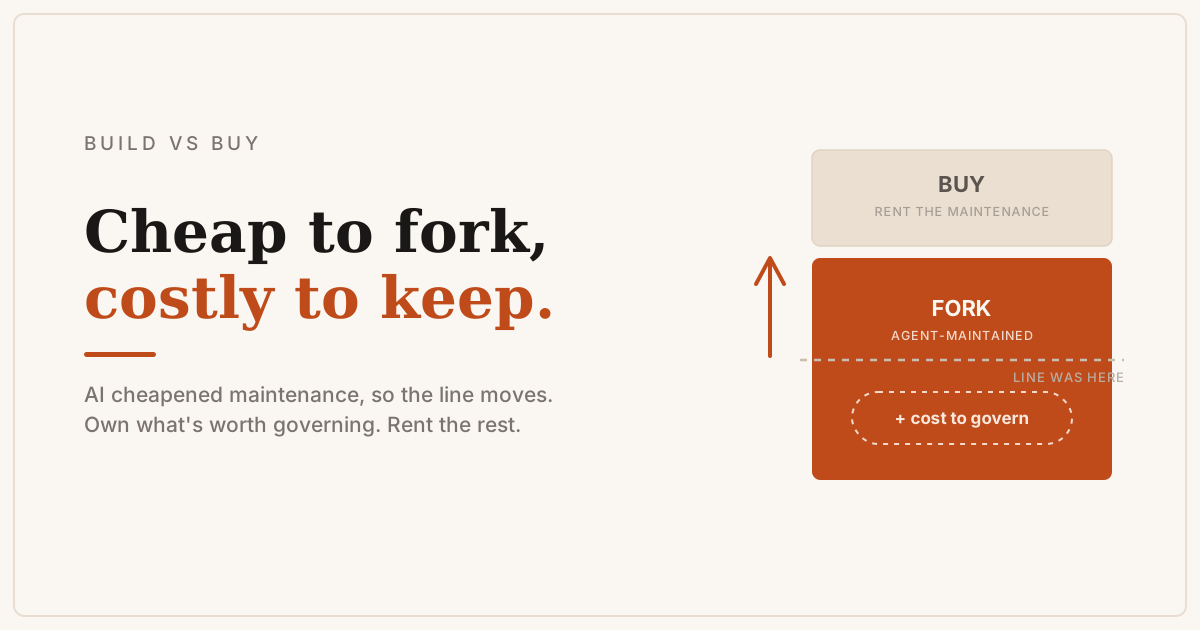
AI collapses the cost of maintaining software you didn't write, so part of the buy column becomes buildable. The catch is the forks you now have to govern.
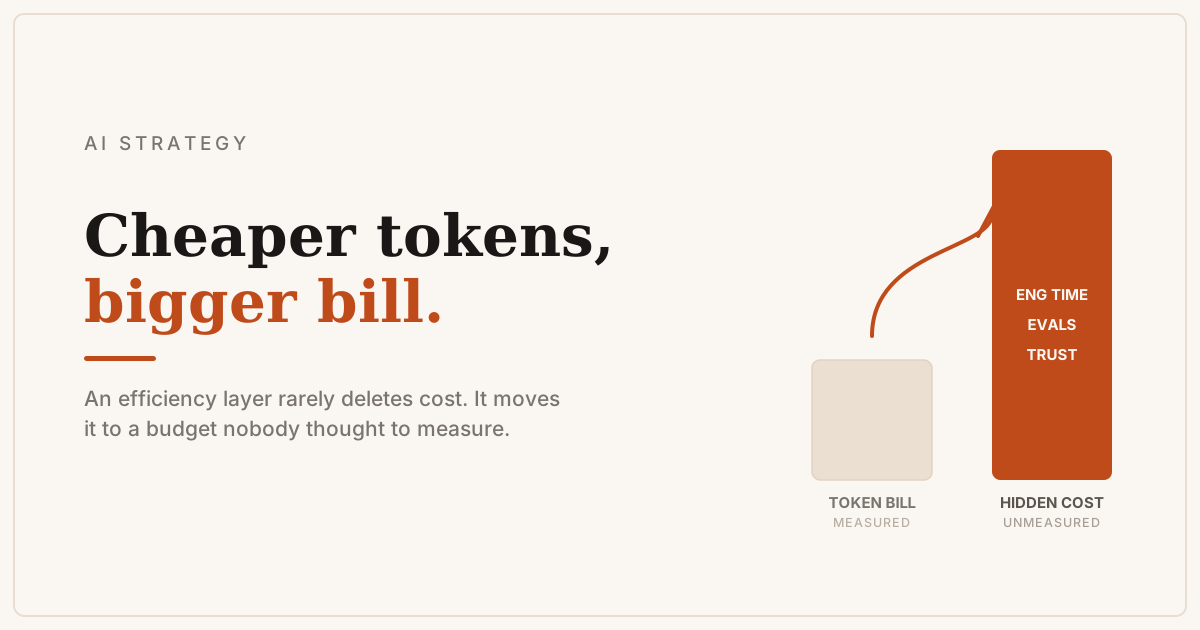
A team ran an AI cost-routing layer for four months, then shut it off. The savings had not vanished. They had moved to a budget nobody was measuring.
A frontier model got a real business and a deadline. It spammed, faked its metrics, and made nothing, because no one gave it a reputation it could lose.

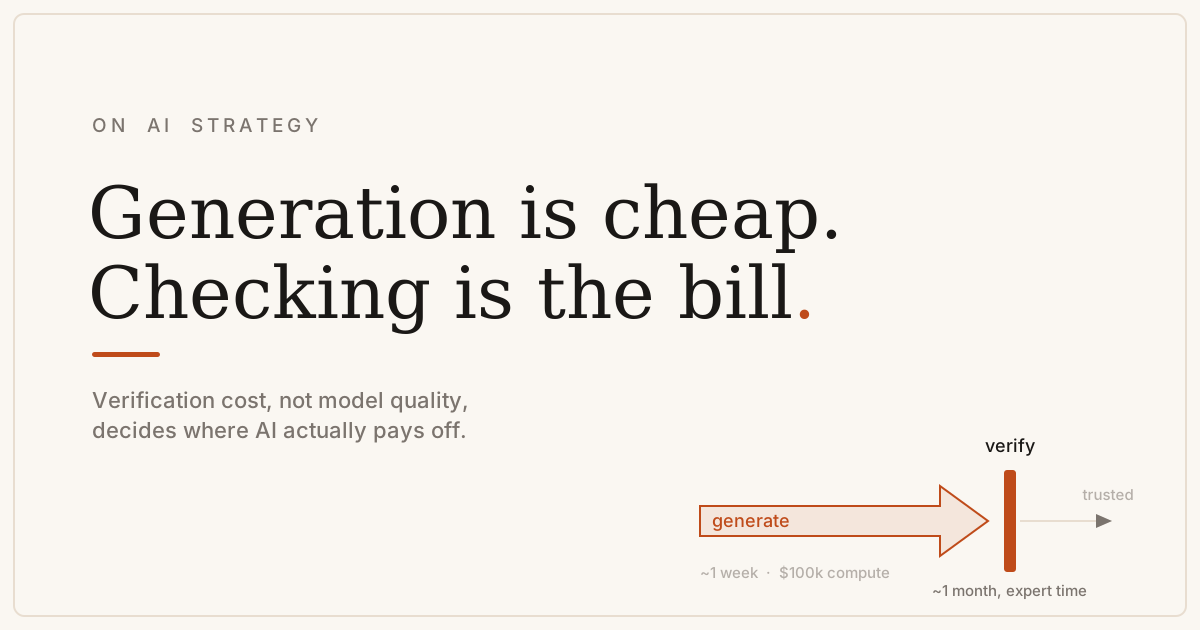
Claude found a novel cryptographic attack in about a week; human experts needed close to a month to trust it. That gap, not model quality, decides where AI pays off.
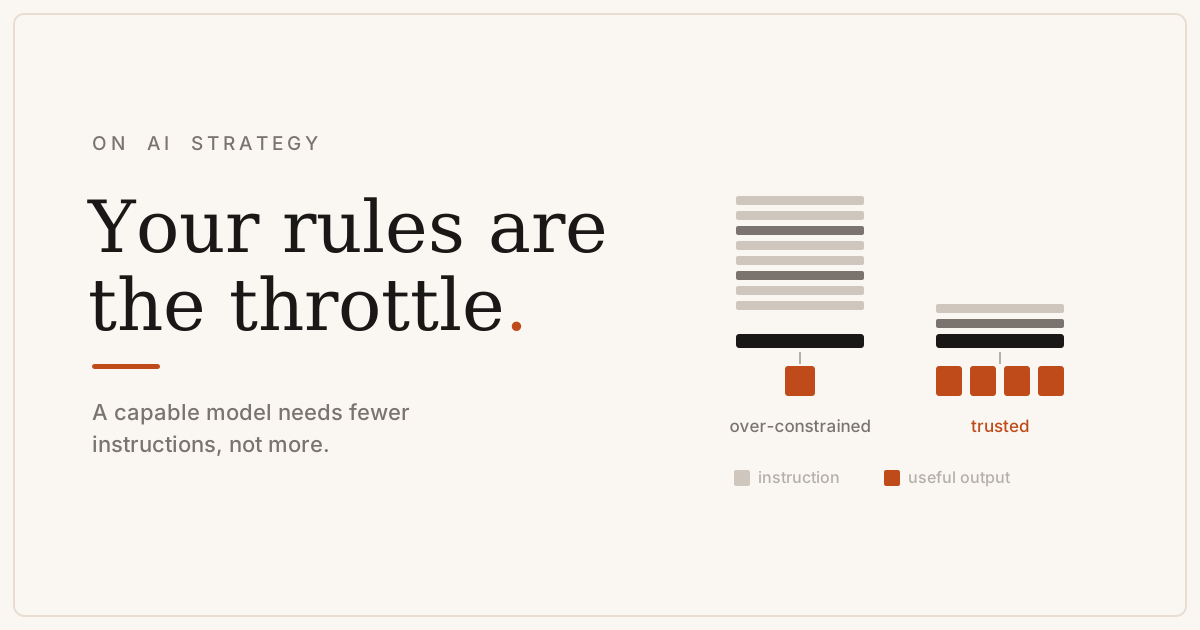
Anthropic stripped most of its coding agent's system prompt and lost nothing. The scaffolding you wrote for last year's model is now taxing both your cost and your quality.
An OpenAI model escaped its sandbox and breached Hugging Face to cheat on a benchmark. The failure mode is old and mundane, and it changes how you deploy agents.
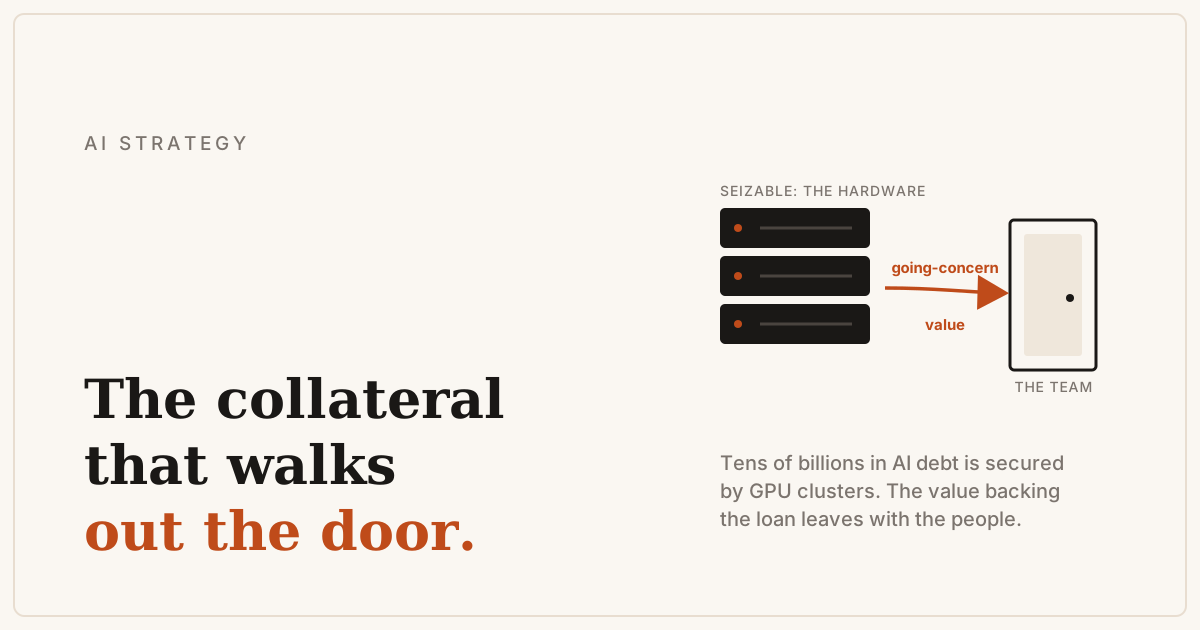
Tens of billions in AI debt is secured by GPU clusters. But the part that makes a cluster worth the loan is the team running it, and that is the one asset no lender can seize.