Google's AI-era products keep breaking an old trust contract with users, and the model isn't the reason. It previews what fast AI shipping costs any team.
Product-Strategy
Microsoft folded its consumer AI companion into the enterprise product. The adoption number behind that decision says more than the U-turn itself.
A convincing AI demo often measures the expert running it, not the tool. Design the pilot so the model's real contribution shows, or you'll buy a demo and deploy a letdown.
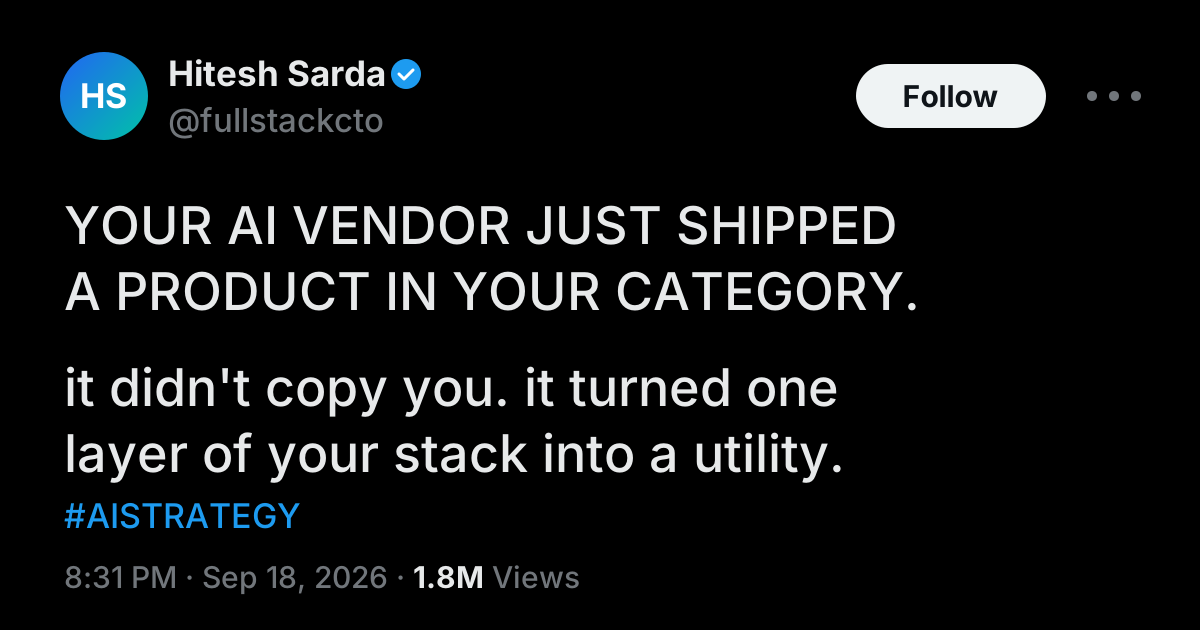
OpenAI's move into legal shows what a platform really does when it enters your category: it commoditizes one layer of your stack and leaves you the accountable one.
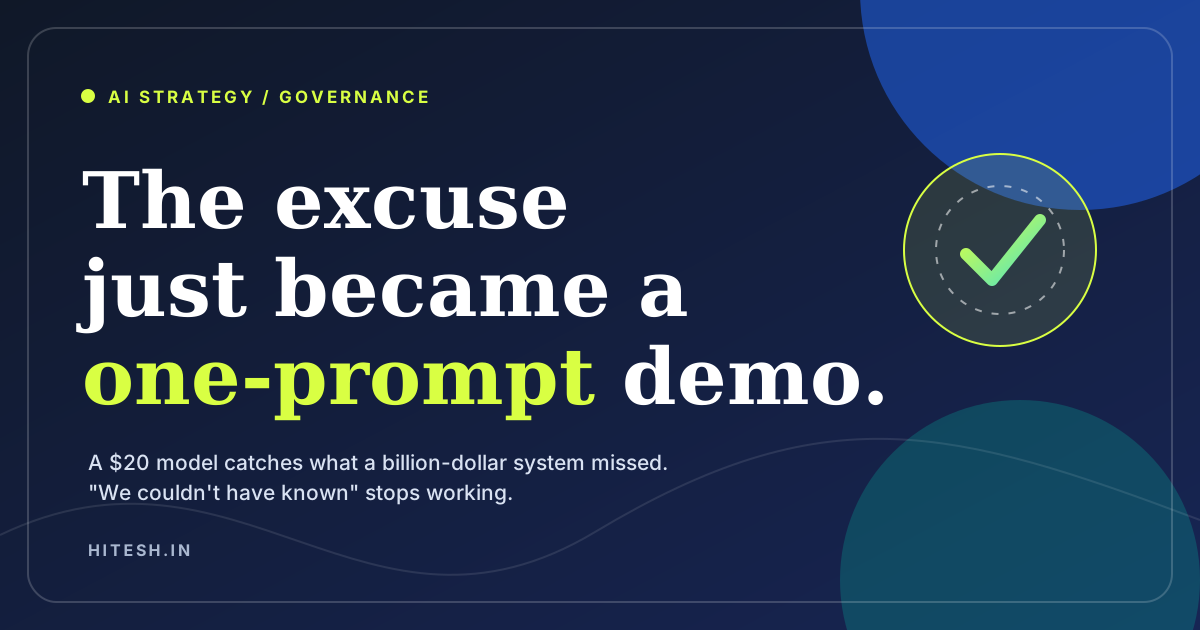
For years 'we can't catch it at scale' excused platforms from the harm they carried. When a $20 model flags it in one prompt, that defense stops working.
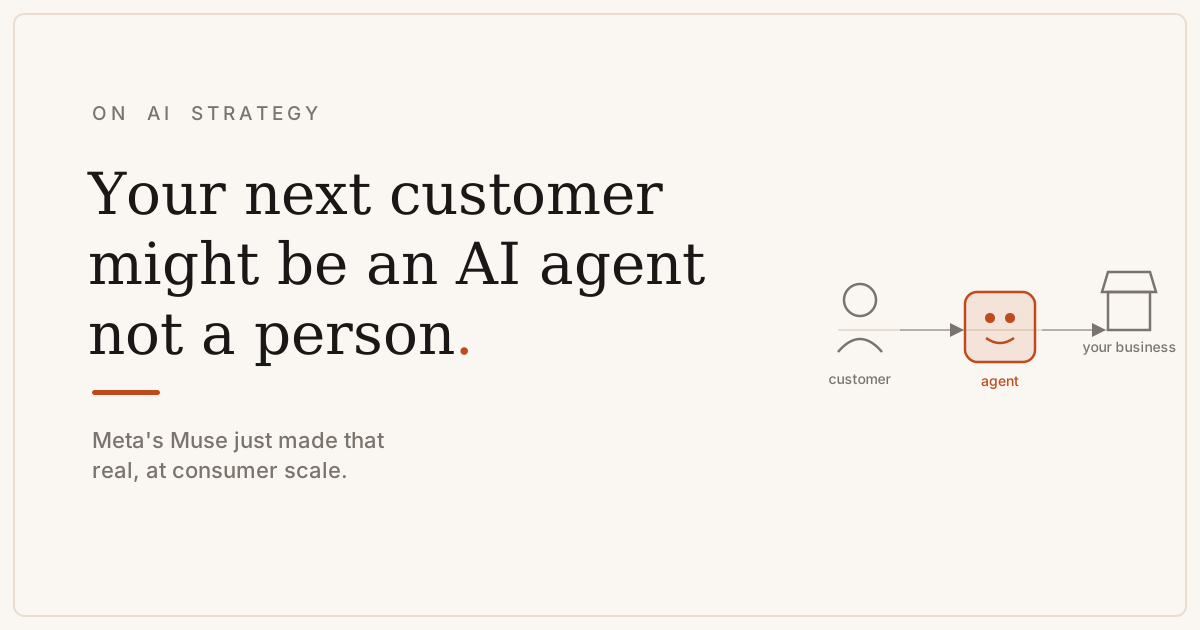
Meta's Muse books, buys, and pays on people's behalf inside WhatsApp. The real shift is who, or what, your business now has to be legible to.
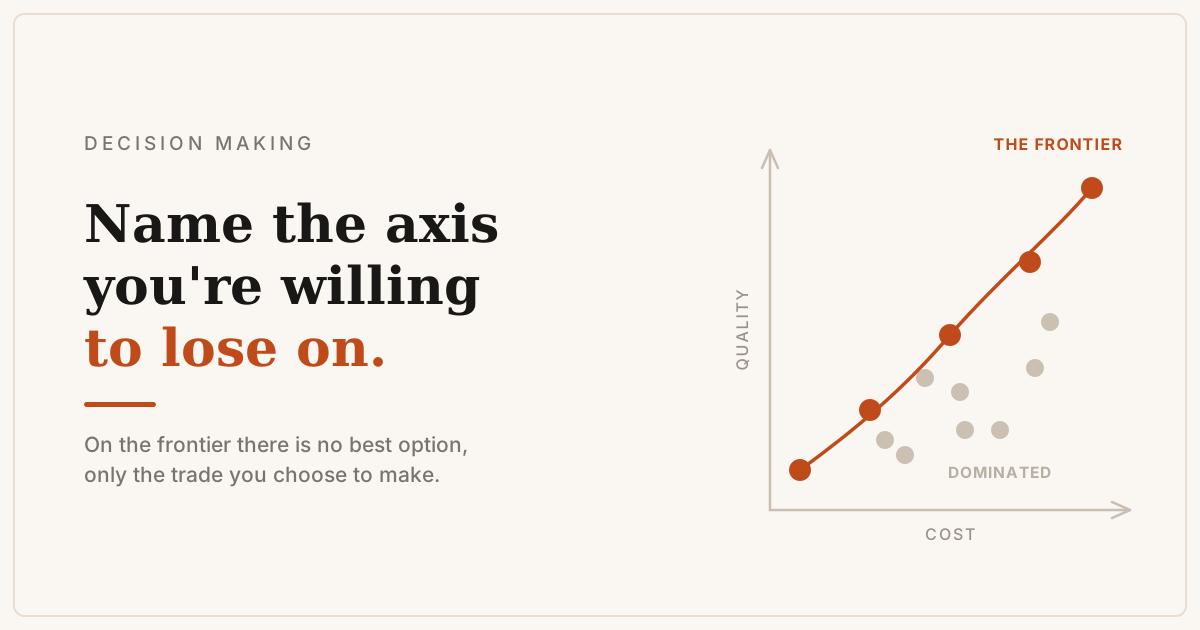
Every technology choice is a trade-off, yet most teams argue over options that lose on every axis. A century-old idea makes the real decision visible.
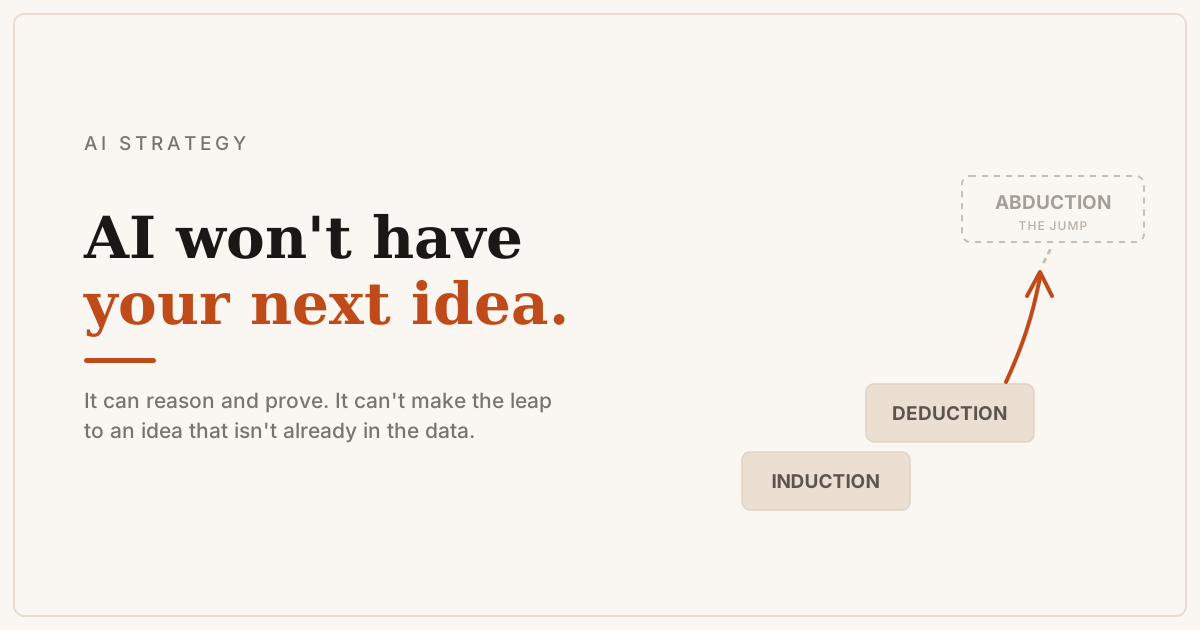
A DeepMind researcher argues LLMs can reason and prove but never originate. That boundary decides where AI multiplies your team and where it just recycles the past.
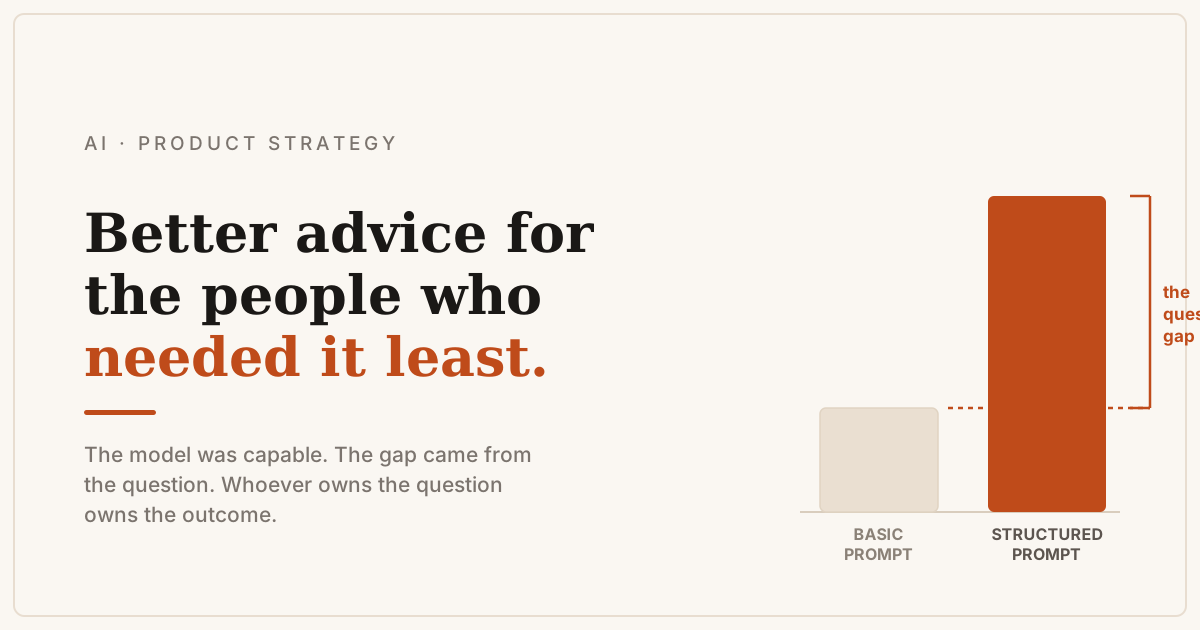
An MIT and Stanford study found AI gives sound financial advice, but the gains went to sophisticated users. Closing that gap is a product decision, not a literacy problem.
Cookie banners produced 90% opt-in and almost no real consent. As Europe tries to fix them with a browser signal, the same design mistake is being wired into AI rules.