Frontier AI, by permit only

The US government has moved from checking who uses frontier AI to deciding which institutions get to use it at all. Annex A is the permanent structure, and it changes the competitive picture for anyone not on the list.

OpenAI's Chip Is Also a Test of Its Own AI

OpenAI announced Jalapeño, a Broadcom-built inference chip, and claimed their own AI helped design it. Whether that is real or IPO marketing is the interesting question, and OpenAI is the one company that should know the answer.

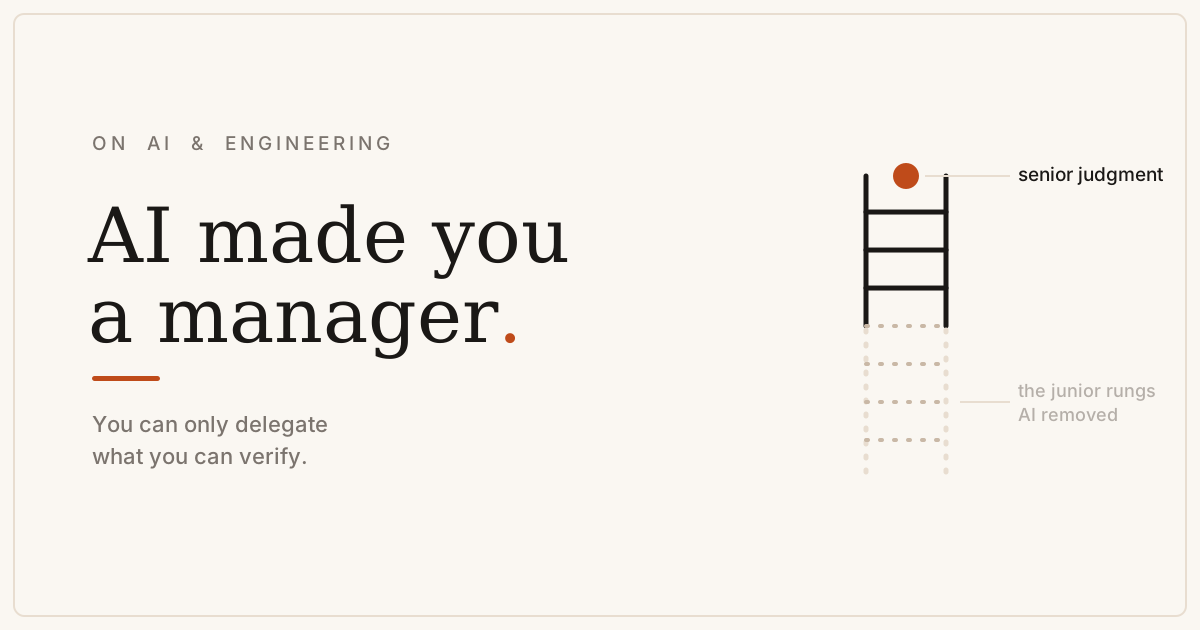
The code you can't explain

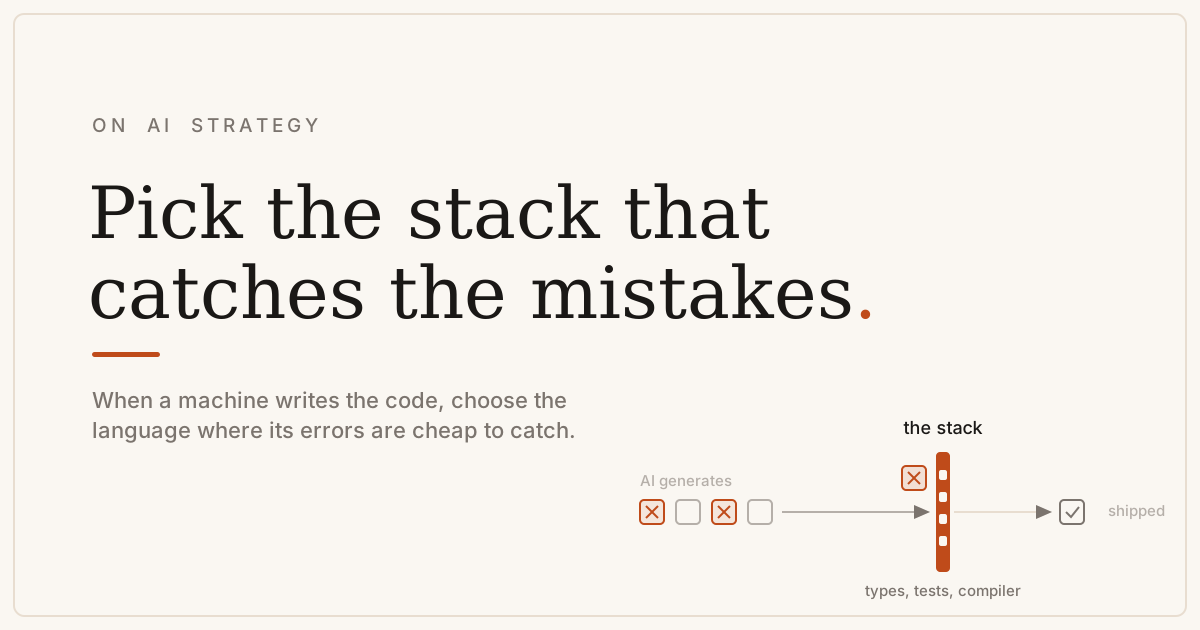
AI agent loops have made code fast and cheap to generate. The hard part, knowing what to build and staying in ownership of it, is still entirely yours.

When your AI asks for a government ID

Anthropic now requires a government ID before accessing its most capable models. What looks like a safety measure is export control, and it is nudging developers toward the Chinese AI alternatives the US is trying to contain.

Will Apple Pull a SpaceX?

The companies building giant AI compute for themselves have started renting it out: SpaceX leased all of Colossus to Anthropic, and Meta says a cloud business is on the table. Apple is about to have the most efficient, most private inference fleet on earth. Can it keep that to itself?

Everything except permission

Google invented the transformer, paid $2.7B to buy back its co-author, and just lost him to OpenAI. The pattern says something about why large organizations keep giving away the people who built them.

When your TAM is bigger than US GDP

SpaceX just paid $60 billion for a coding tool. The price is interesting. The justification -- a $26 trillion addressable market -- reveals more about how we price AI right now than about what it's actually worth.

We Stopped Laughing at GenAI

For a while we treated generative AI as a parlour trick with bad hands and a habit of making things up. Five kinds of story ended that phase for me, and raised a harder question than 'will it take my job?'