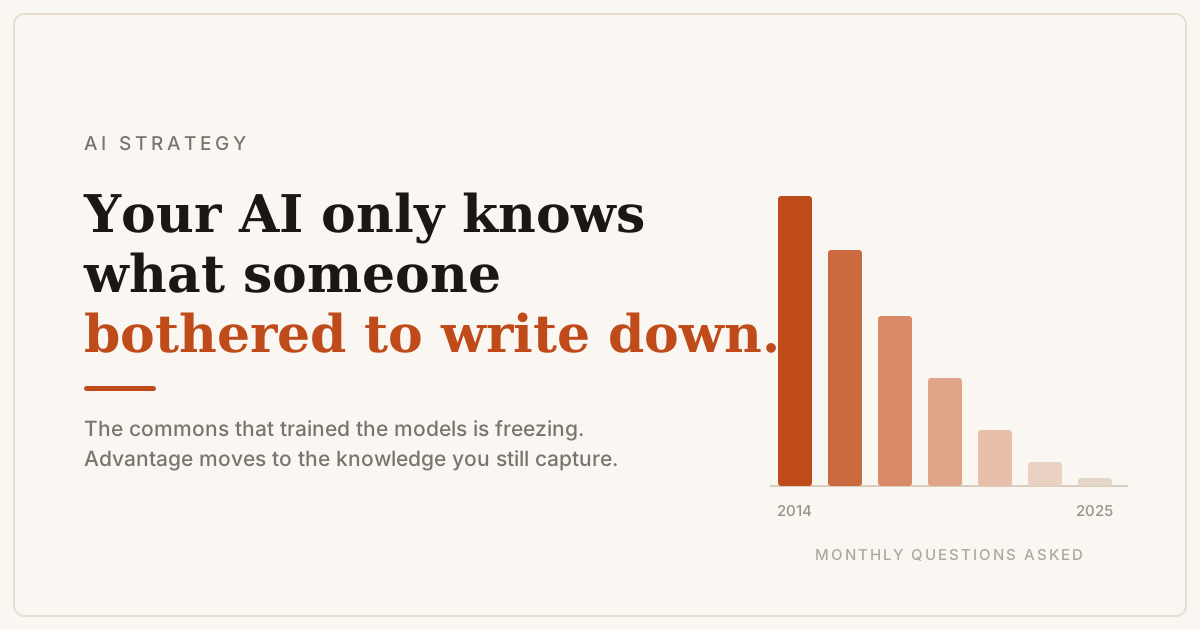
Stack Overflow's question volume fell 78% in a year. As the public corpus freezes, competitive advantage shifts to the knowledge your company still writes down itself.
Software-Engineering
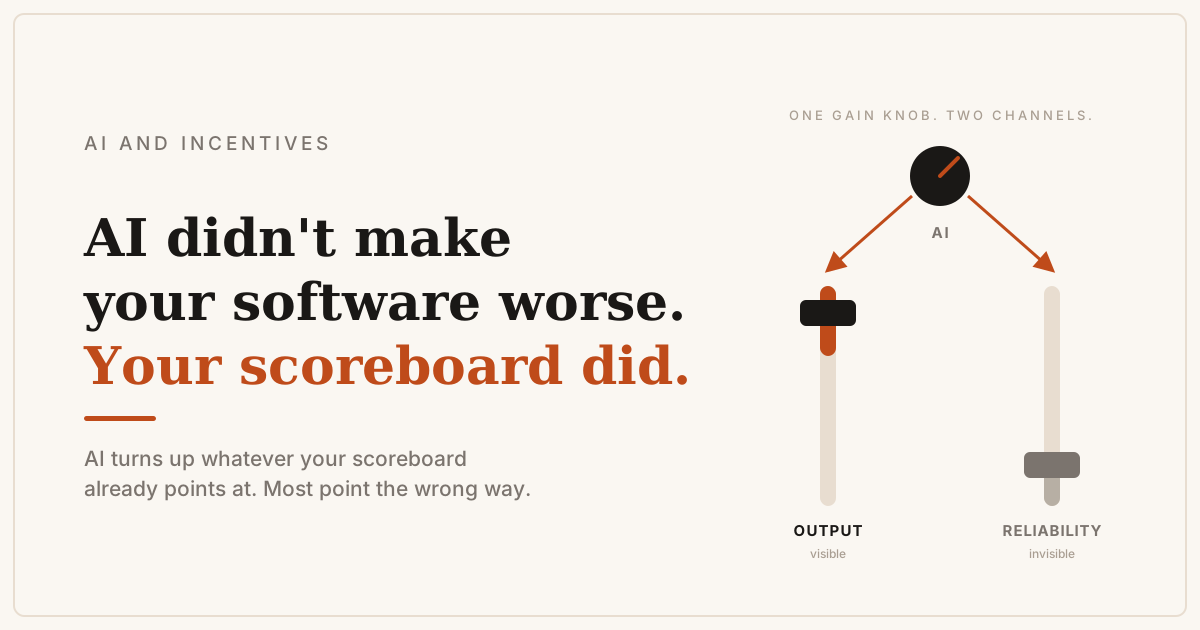
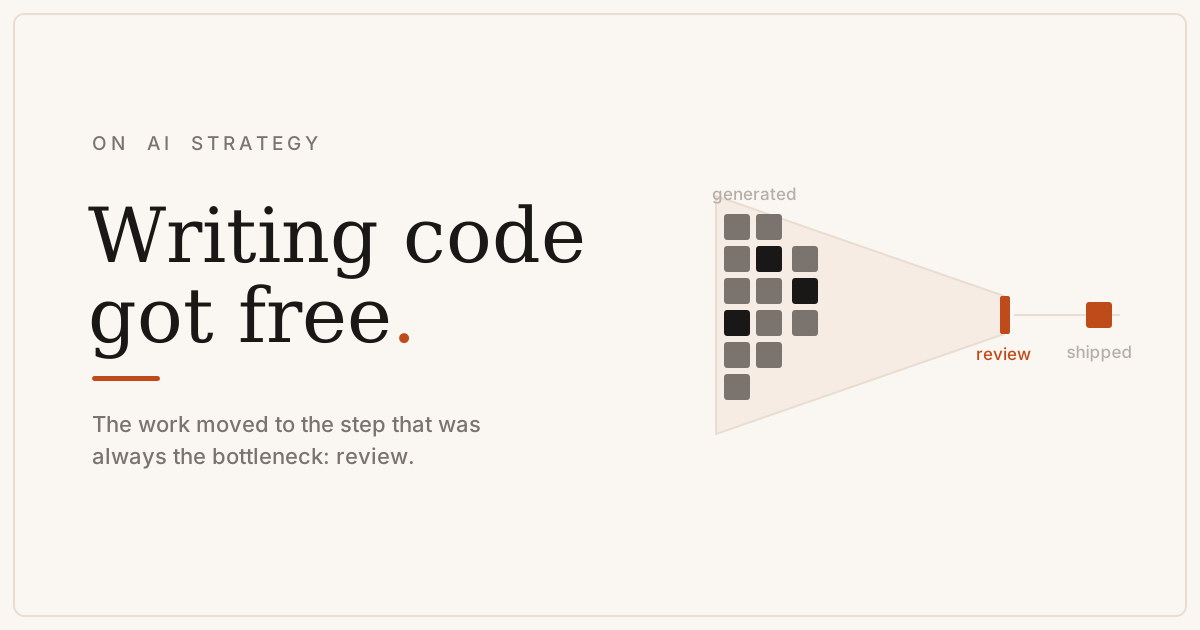
Microsoft's engineers merged 24% more pull requests with AI. The constraint didn't vanish; it moved to review, and most teams are still counting the wrong thing.
Public coding benchmarks have decoupled from real work. The teams getting value from AI build a small evaluation from their own merged pull requests instead.
AI agent loops have made code fast and cheap to generate. The hard part, knowing what to build and staying in ownership of it, is still entirely yours.
SpaceX just paid $60 billion for a coding tool. The price is interesting. The justification -- a $26 trillion addressable market -- reveals more about how we price AI right now than about what it's actually worth.
Almost every team now codes with AI; only a third governs it. The teams pulling ahead review AI's output as seriously as they once reviewed their own code.
For a while we treated generative AI as a parlour trick with bad hands and a habit of making things up. Five kinds of story ended that phase for me, and raised a harder question than 'will it take my job?'
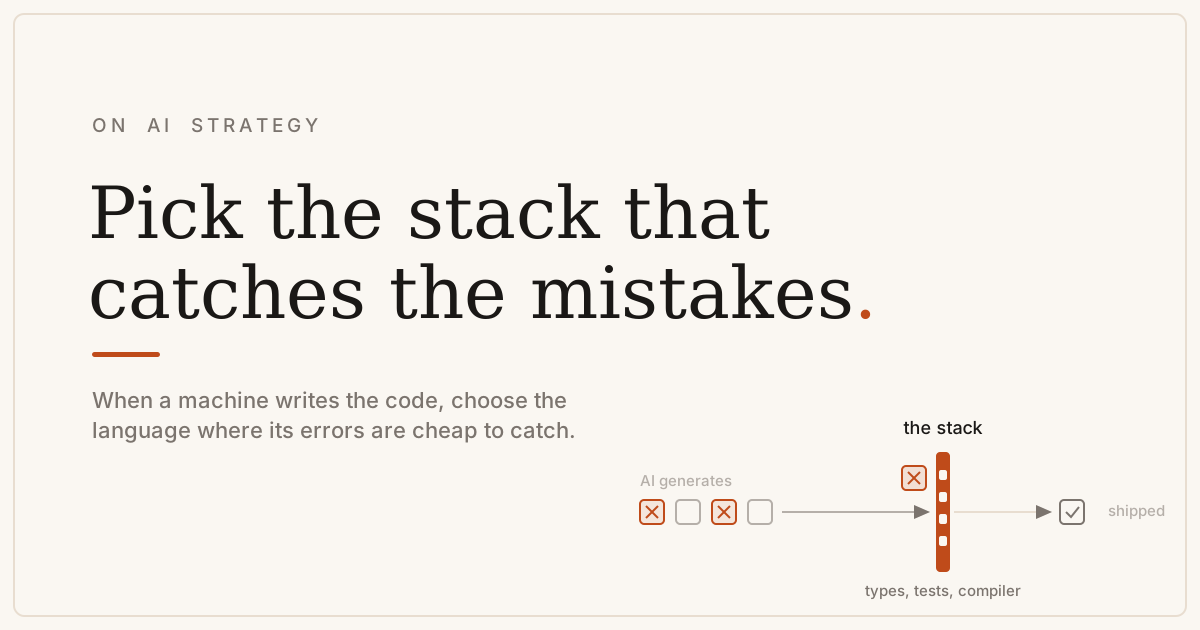
AI coding tools have stopped failing loudly. The new failure compiles, passes the tests, and is confidently wrong, and our review process was built for the old kind of mistake.
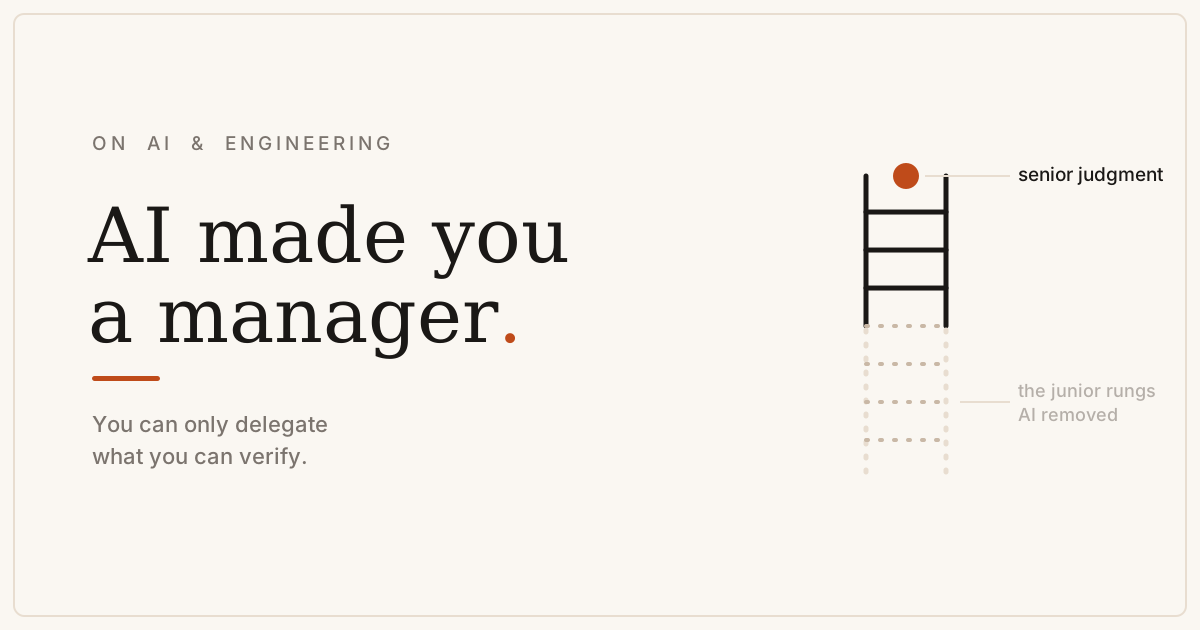
Working code is becoming cheap. What stays scarce is judgment about what to build and whether it was worth building. That is the engineer worth becoming.