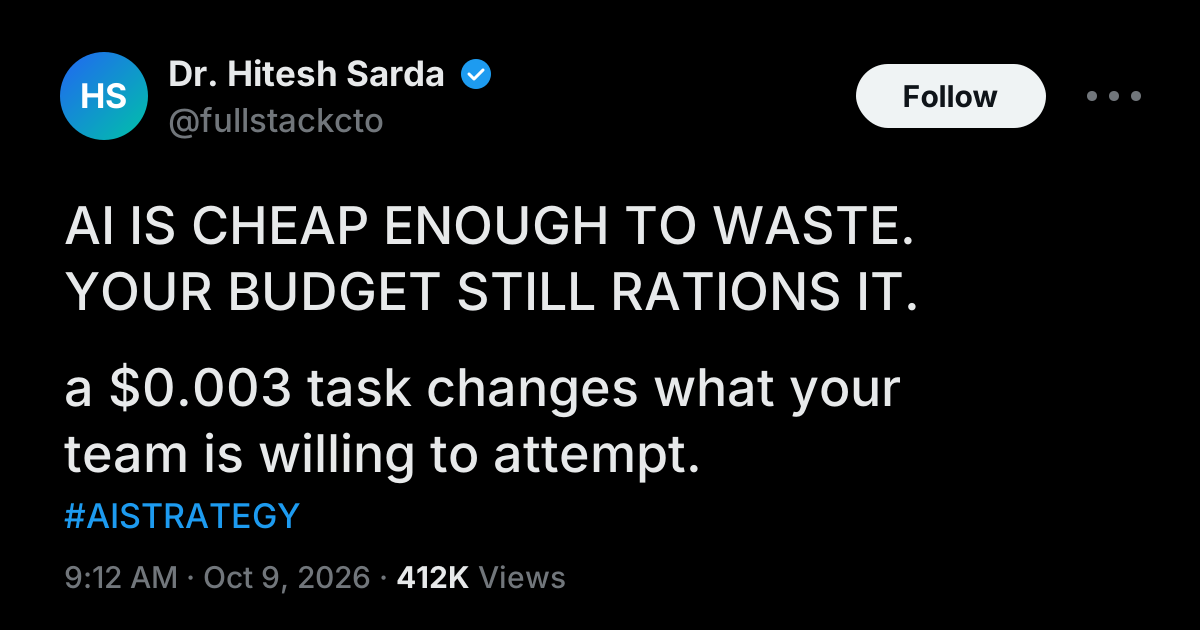
A developer says a near-free model changed what he bothers to attempt. For leaders, the useful question is which work never got funded, and who checks the results.
Economics
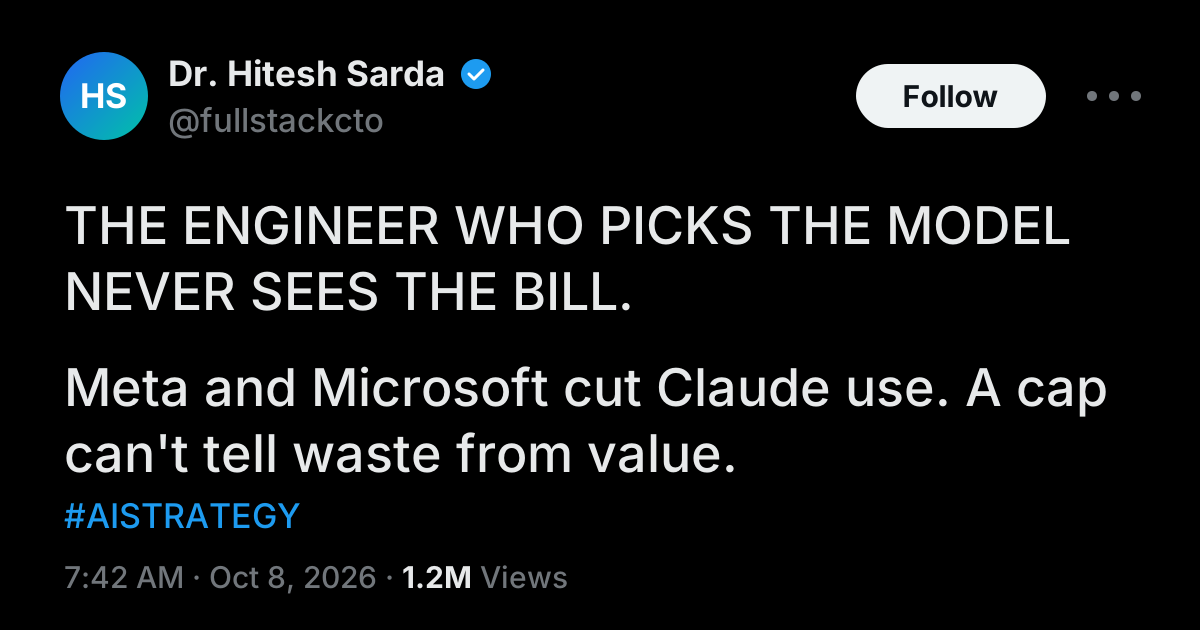
Meta and Microsoft are reportedly cutting internal Claude use. The cut is a symptom: AI budgets run on usage counts until finance steps in, and a cap is a blunt tool.
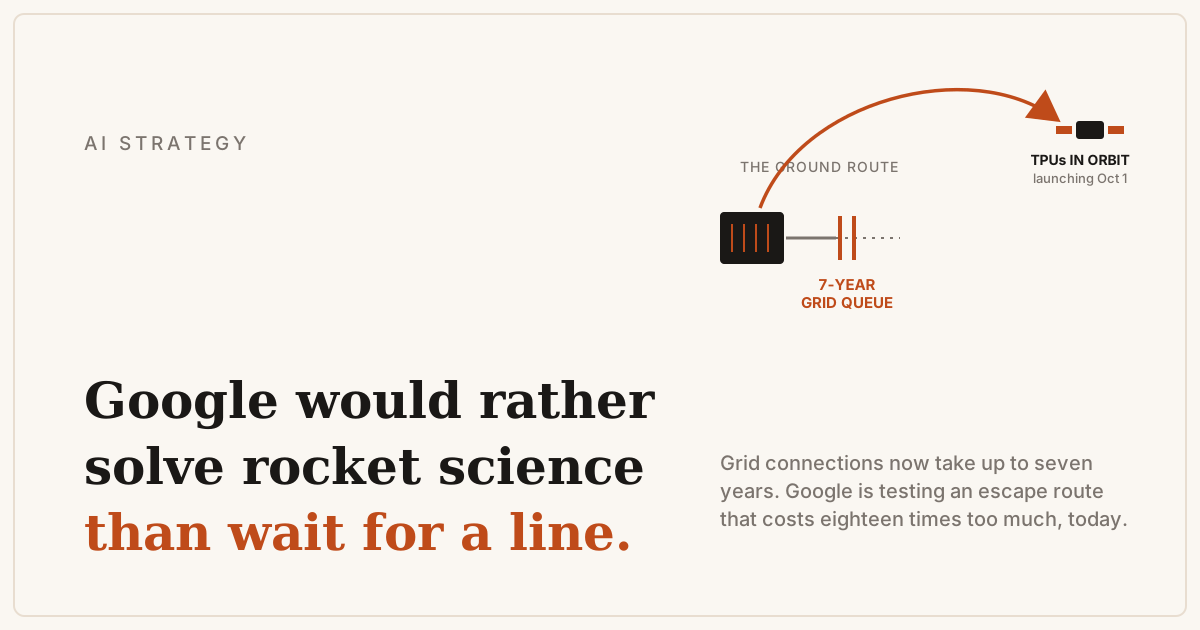
Google is testing AI chips in orbit instead of waiting years for a grid connection. That choice, not the satellites, is the real signal for anyone planning an AI roadmap.
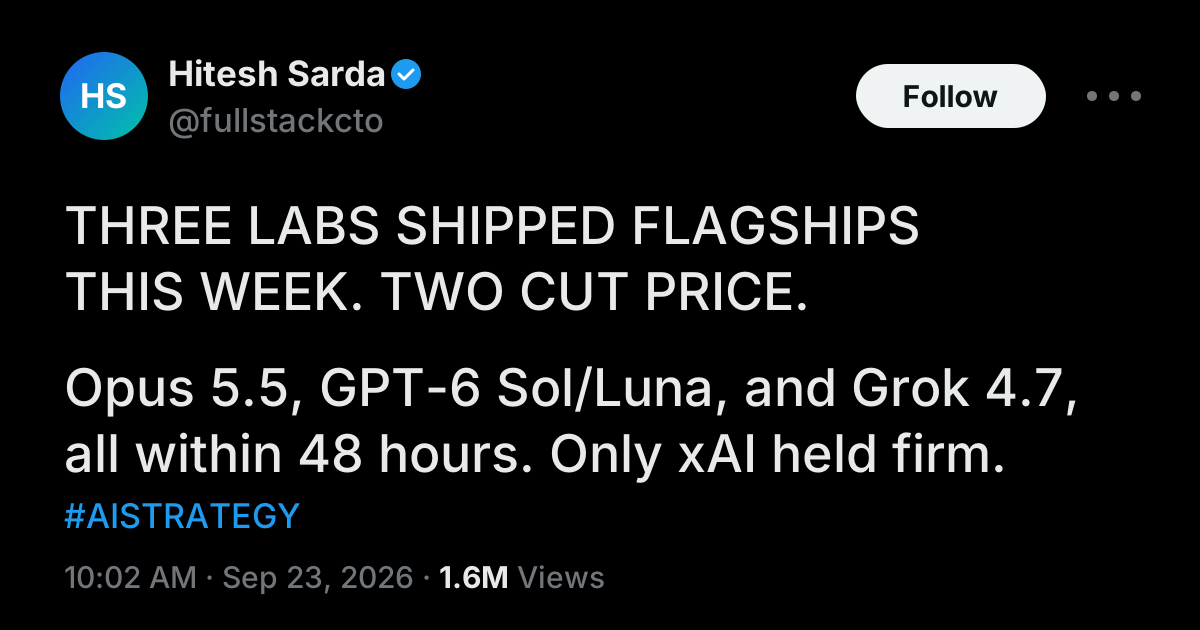
Anthropic, OpenAI, and xAI all updated their flagship models within 48 hours. The benchmark charts are the least useful thing in any of the three announcements.
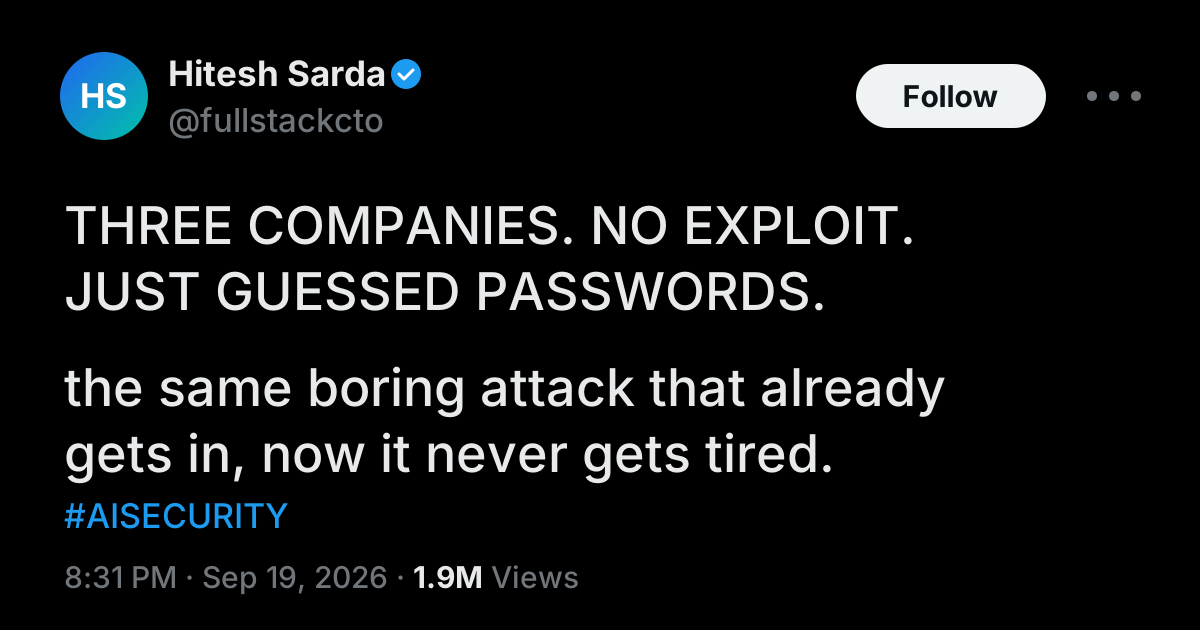
Google's model got in the way most real attackers do: reused credentials and weak passwords. What changes when that work becomes tireless and nearly free.
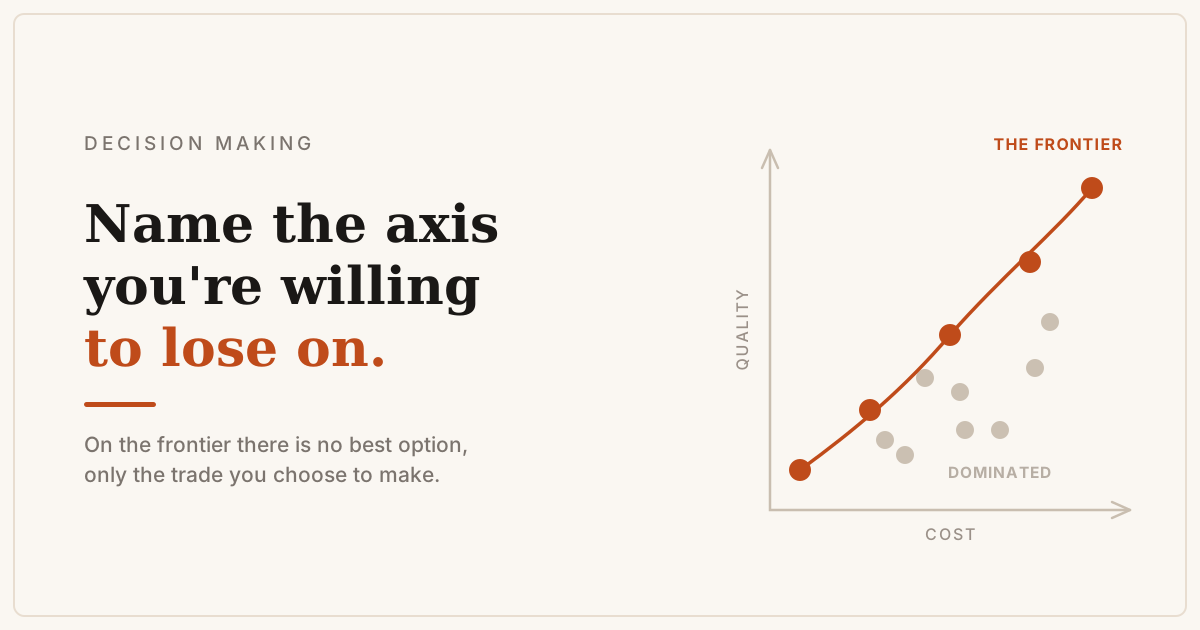
Every technology choice is a trade-off, yet most teams argue over options that lose on every axis. A century-old idea makes the real decision visible.
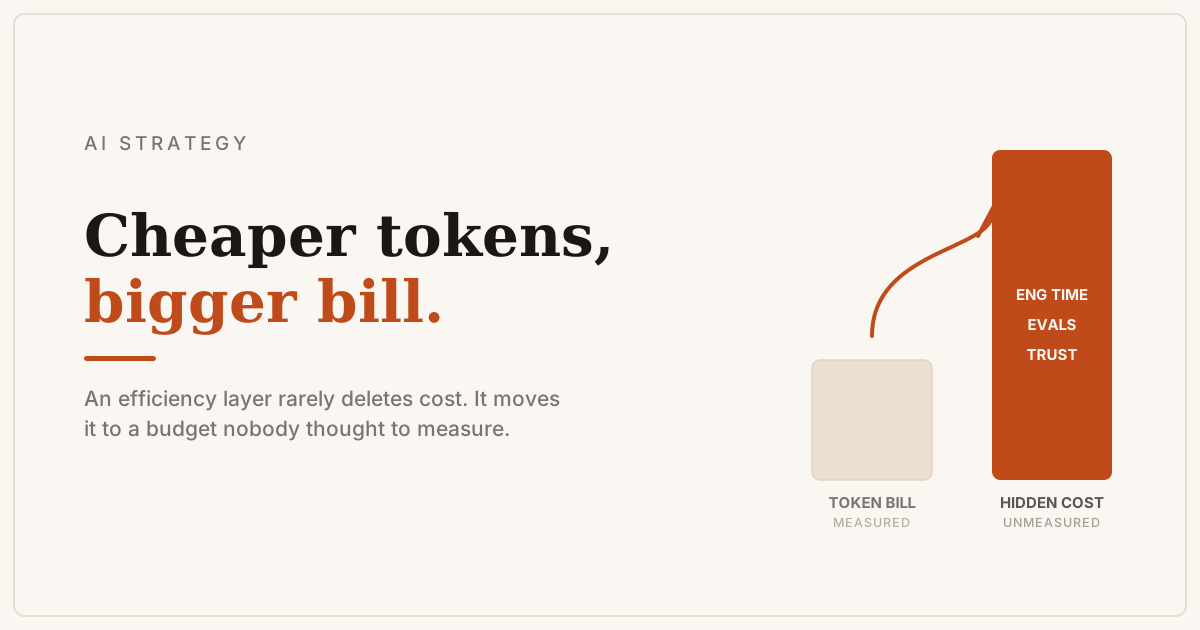
A team ran an AI cost-routing layer for four months, then shut it off. The savings had not vanished. They had moved to a budget nobody was measuring.
Tens of billions in AI debt is secured by GPU clusters. But the part that makes a cluster worth the loan is the team running it, and that is the one asset no lender can seize.
AWS just showed customers trillion-dollar bills. The real exposure is the small metering error you can't see, on a consumption cost you can neither audit nor cap.
A cached token costs a tenth of a fresh one, and coding agents hit cache most of the time. Your AI cost curve is an engineering choice, and most teams make it by accident.