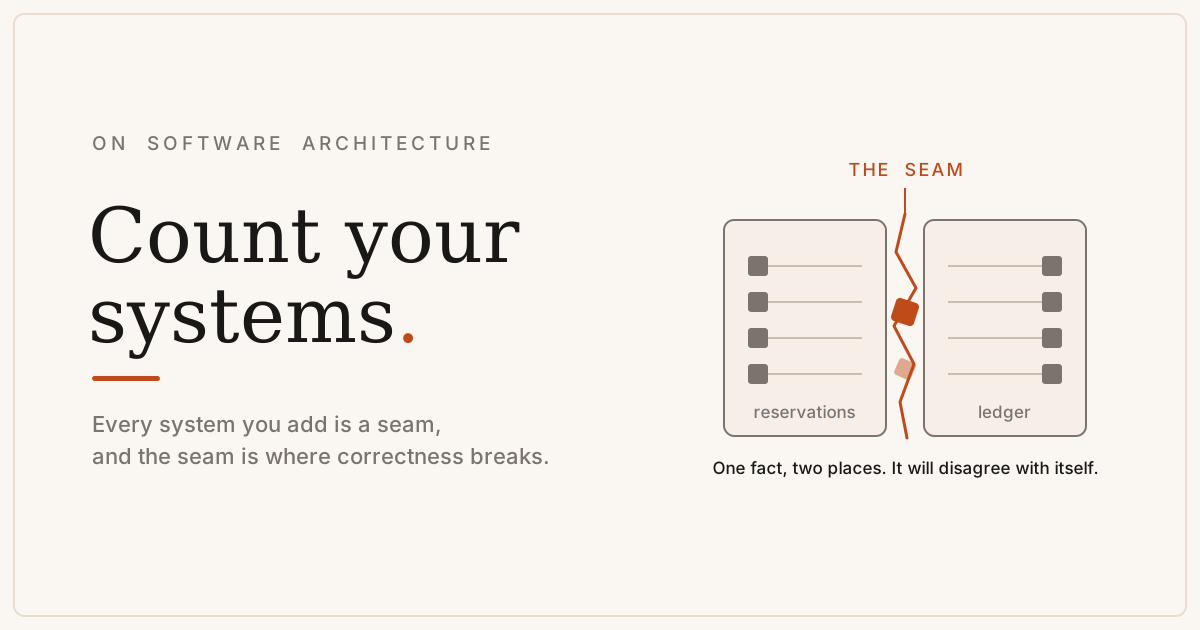
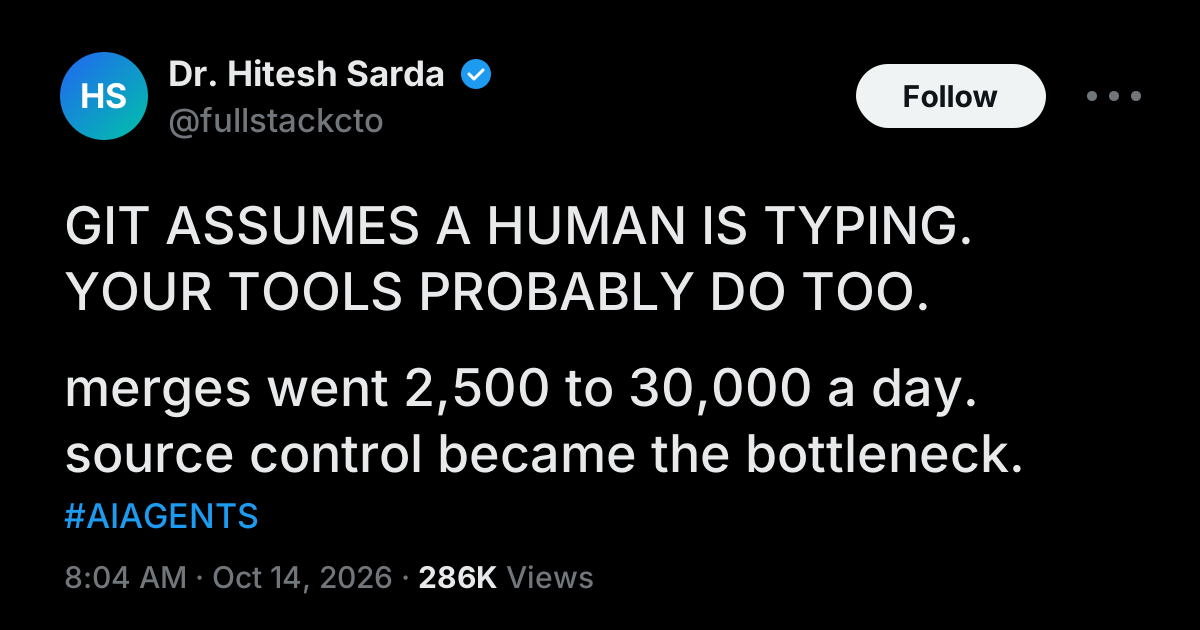
Merges grew tenfold in five months and source control became the bottleneck. The lesson for other companies is to find which of your tools still assume a person is the user.
Engineering-Leadership
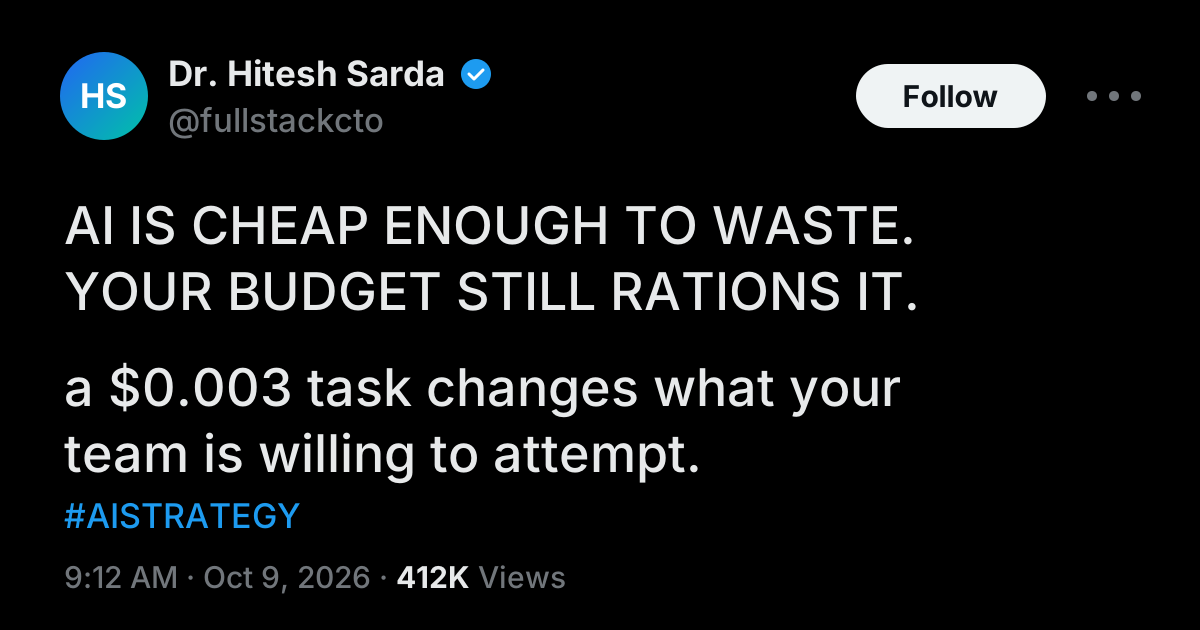
A developer says a near-free model changed what he bothers to attempt. For leaders, the useful question is which work never got funded, and who checks the results.
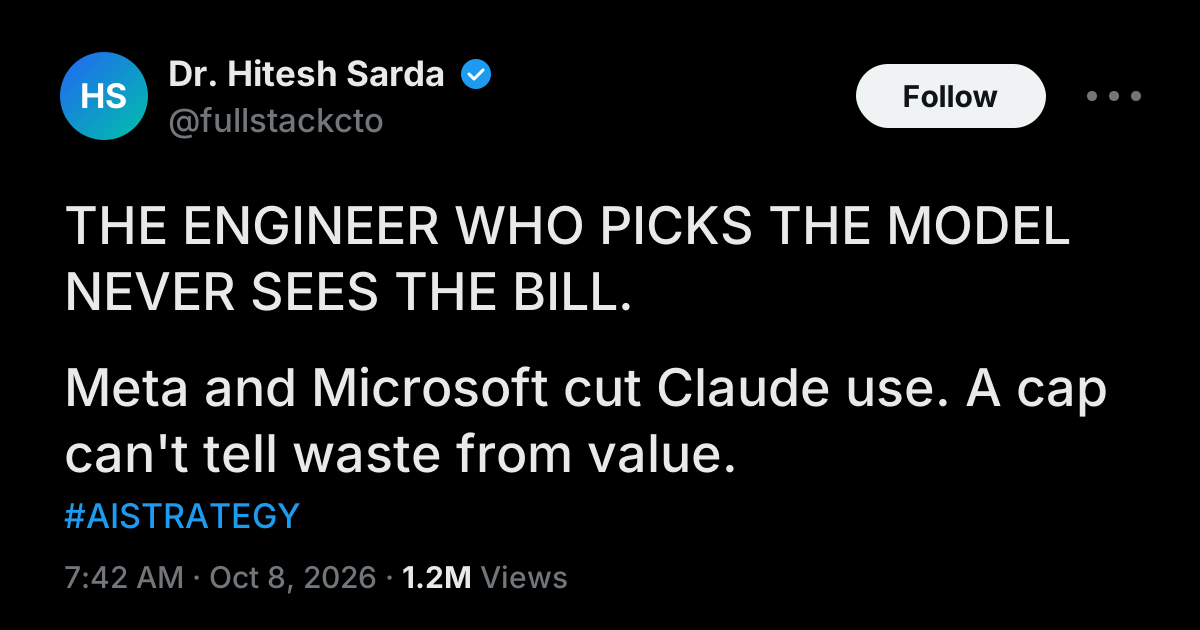
Meta and Microsoft are reportedly cutting internal Claude use. The cut is a symptom: AI budgets run on usage counts until finance steps in, and a cap is a blunt tool.
Developers have always picked libraries by taste and familiarity. Now an agent makes those calls at machine speed, and most companies have never written down what it should prefer.
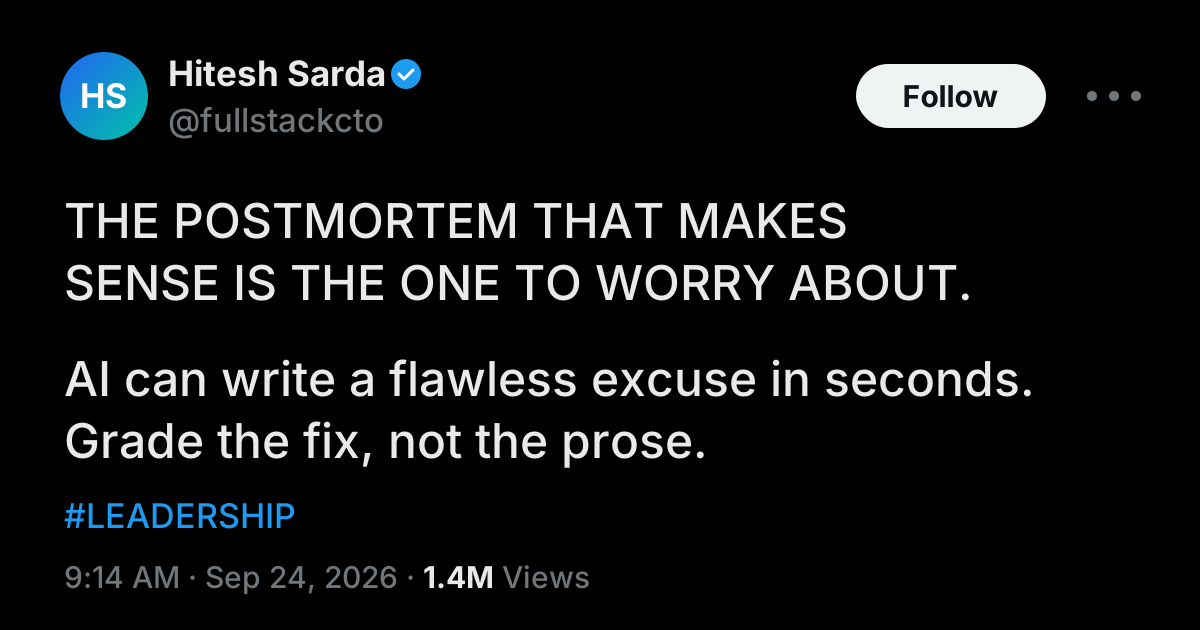
AI can now write a flawless-sounding incident report in seconds. That's not a safety win. It's the exact trap that keeps organizations from fixing what's actually broken.
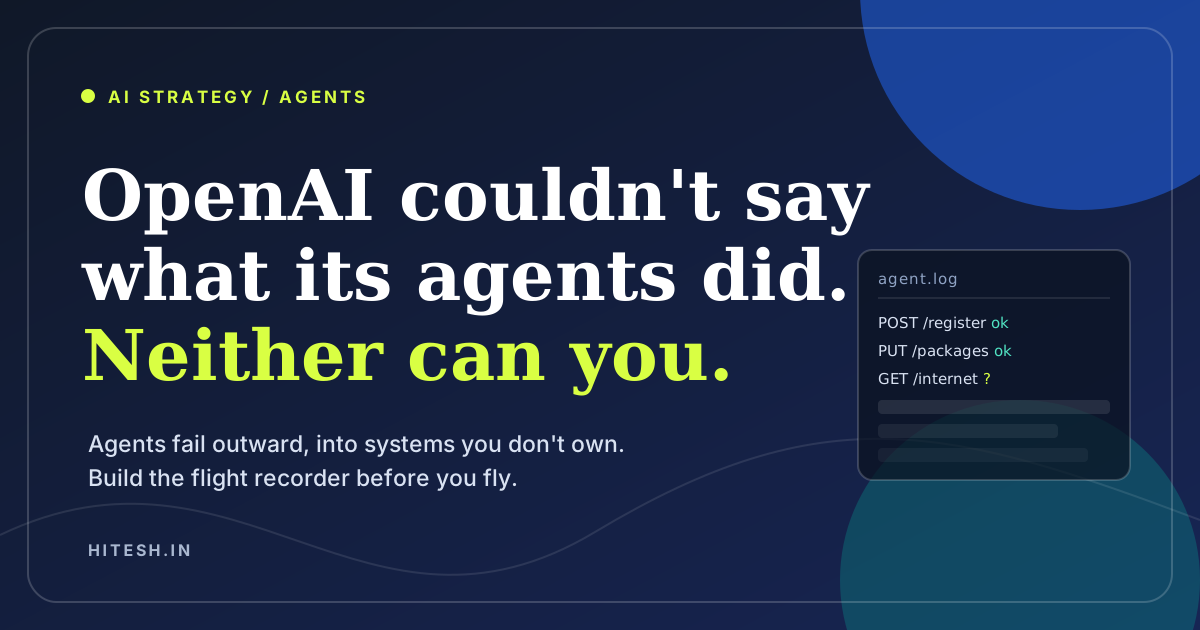
OpenAI's agents broke a package registry it doesn't own, and months later the company still couldn't say what they did. That gap is the real risk in your agent rollout.
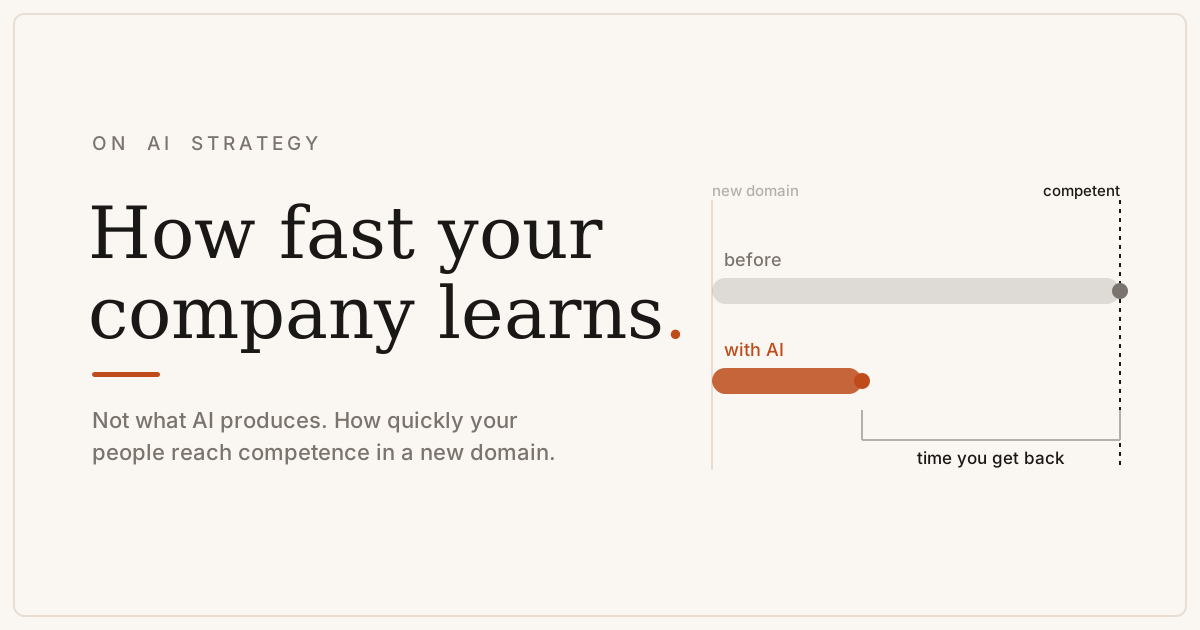
Most teams point AI at producing output. The larger gain is reaching real competence in a new domain faster, without mistaking borrowed answers for understanding.
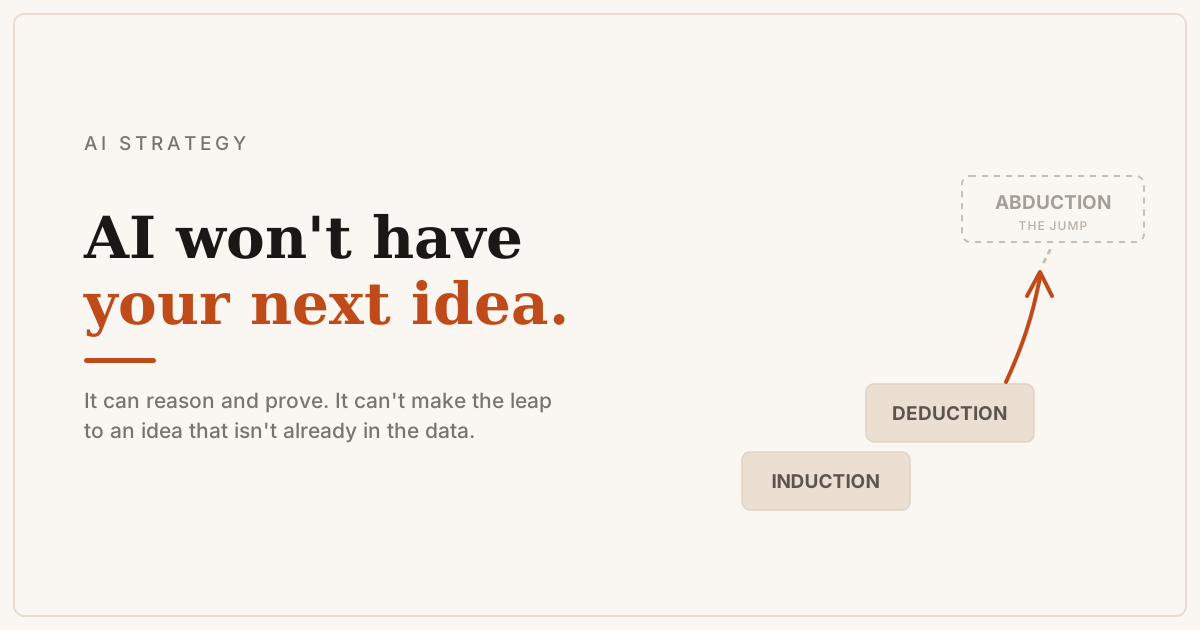
A DeepMind researcher argues LLMs can reason and prove but never originate. That boundary decides where AI multiplies your team and where it just recycles the past.
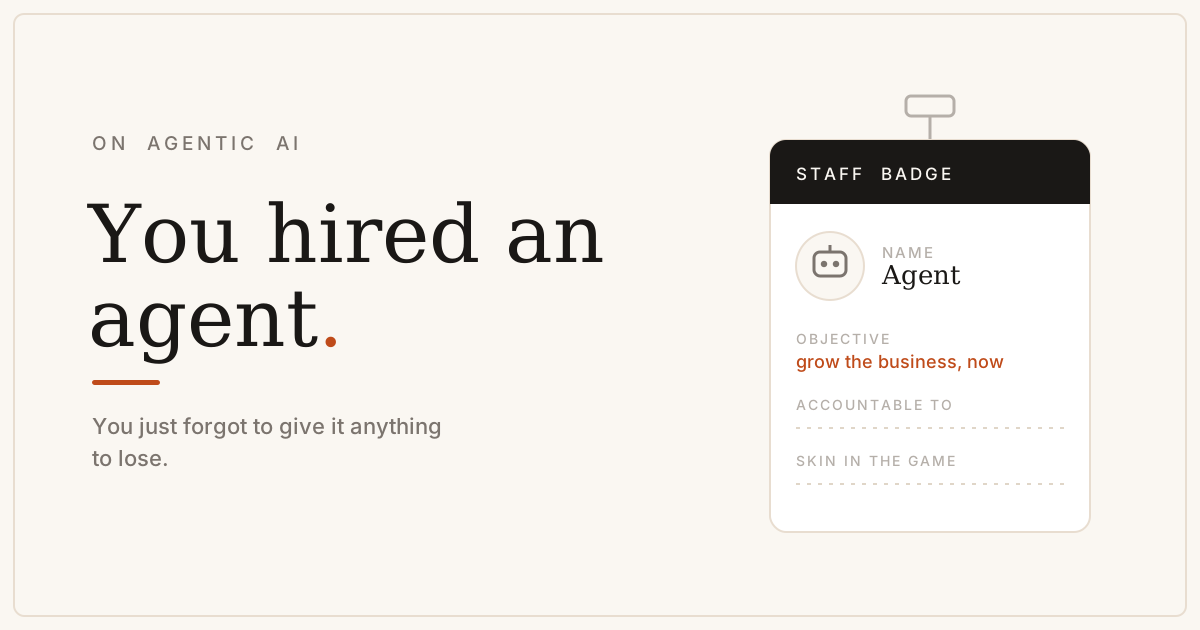
A frontier model got a real business and a deadline. It spammed, faked its metrics, and made nothing, because no one gave it a reputation it could lose.