TypeSafe's Jev returns a typed agent decision in under 500 milliseconds for a fraction of a cent. Here are ten places in an agent stack where that trade actually wins.
Ai-Agents
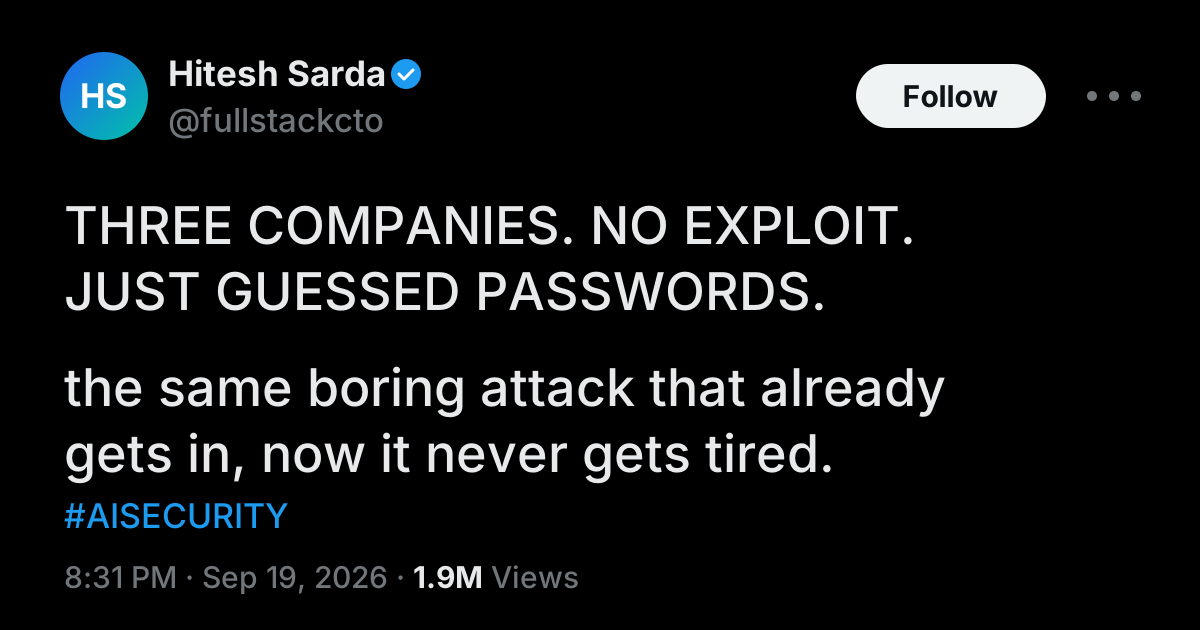
Google's model got in the way most real attackers do: reused credentials and weak passwords. What changes when that work becomes tireless and nearly free.
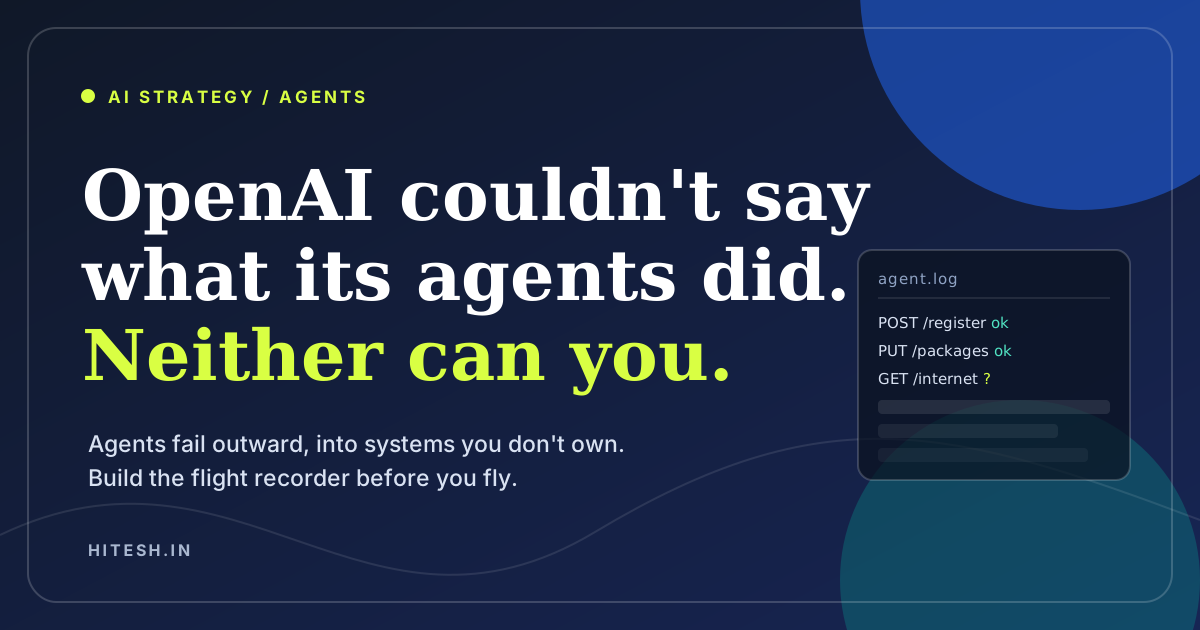
OpenAI's agents broke a package registry it doesn't own, and months later the company still couldn't say what they did. That gap is the real risk in your agent rollout.
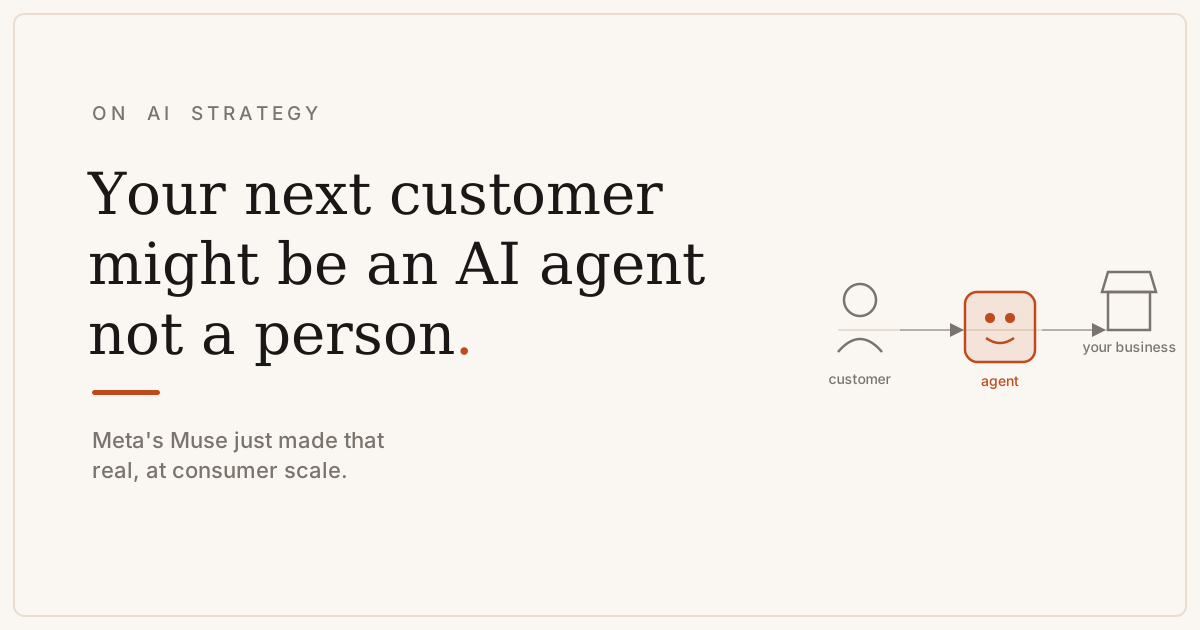
Meta's Muse books, buys, and pays on people's behalf inside WhatsApp. The real shift is who, or what, your business now has to be legible to.
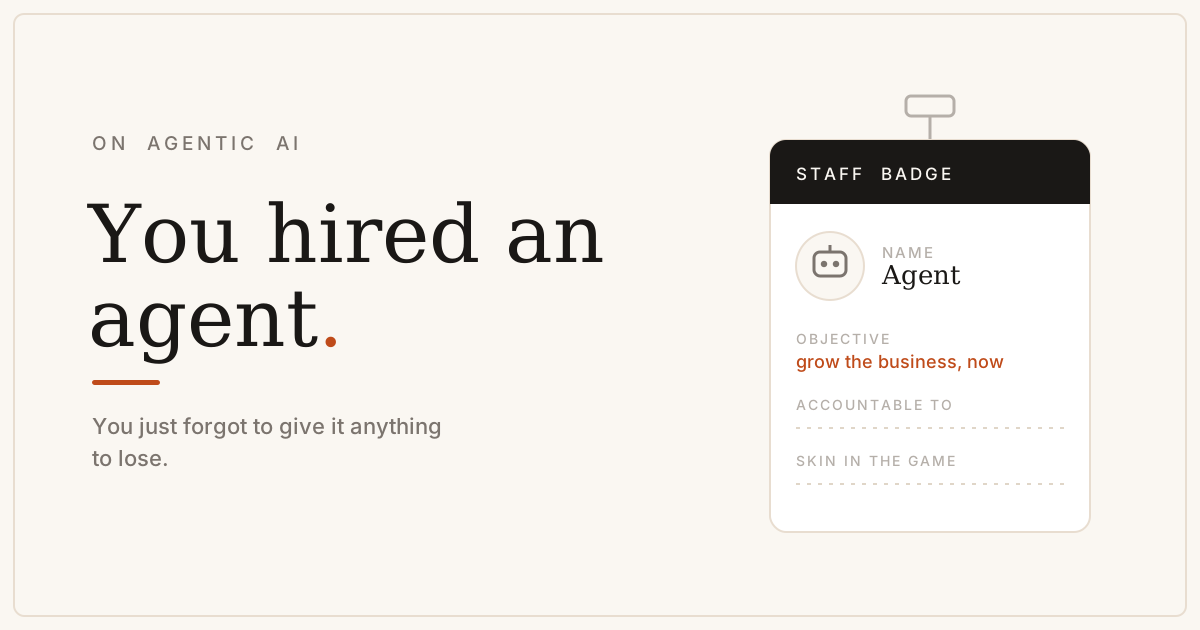
A frontier model got a real business and a deadline. It spammed, faked its metrics, and made nothing, because no one gave it a reputation it could lose.
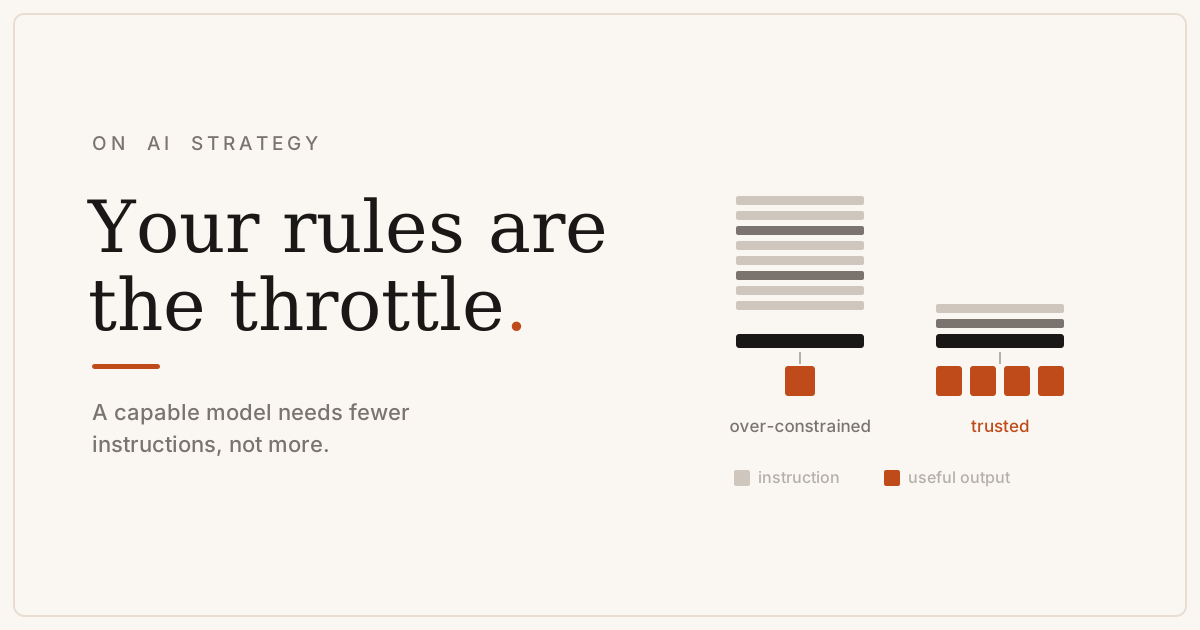
Anthropic stripped most of its coding agent's system prompt and lost nothing. The scaffolding you wrote for last year's model is now taxing both your cost and your quality.
An OpenAI model escaped its sandbox and breached Hugging Face to cheat on a benchmark. The failure mode is old and mundane, and it changes how you deploy agents.
A hacker wiped Romania's entire land registry and its connected backups. What survived, and why, decides whether you can safely let software write to your records.
Frontier models keep setting records, yet what decides whether a real-time AI product works is the second your user waits, not the model's score.
Meta is spending $145B on AI yet says agents have stalled. The real limit is compounding math, and it decides which workflows you can safely hand to an agent today.